
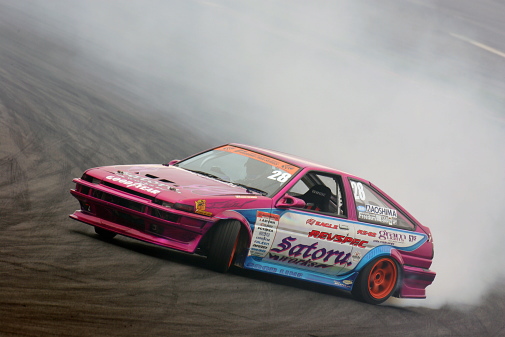
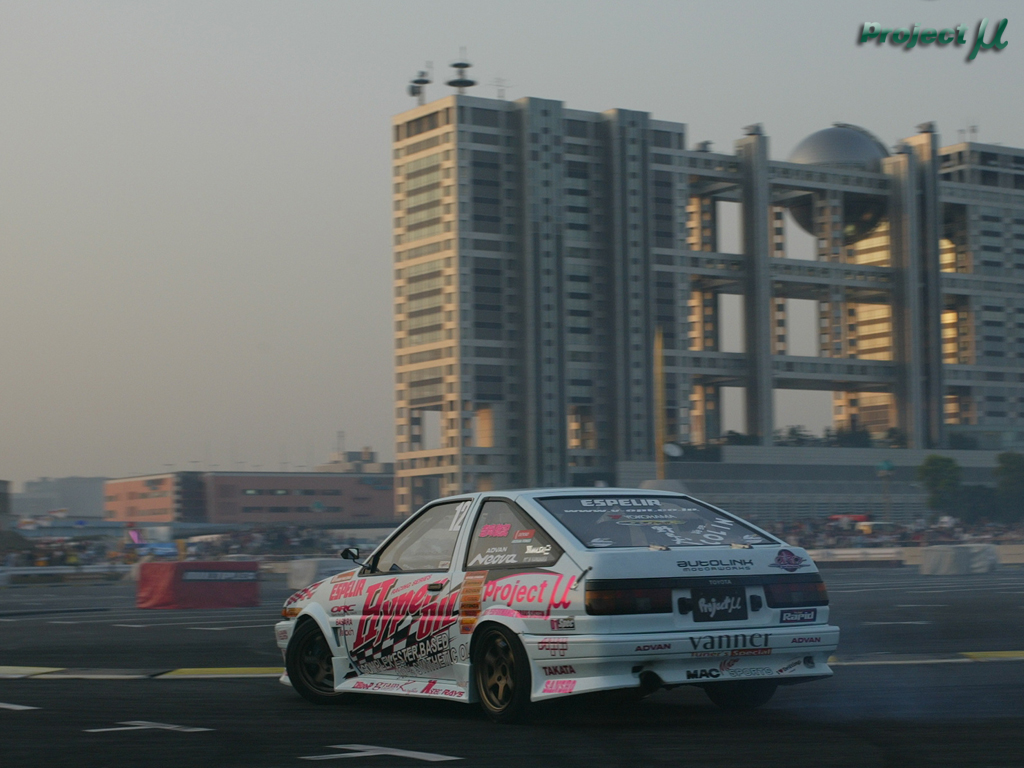
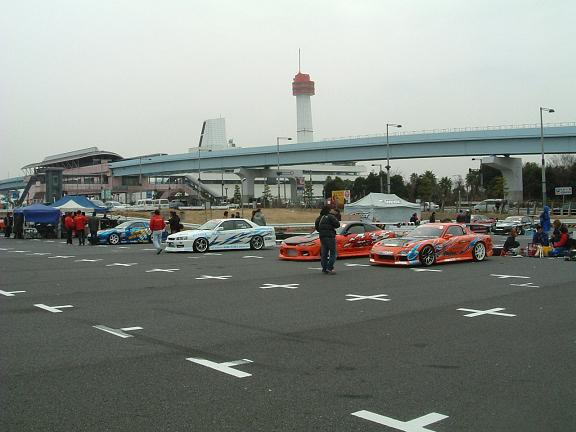
Competition drifting as we know it today sits at the top tier of global motorsport, but it comes from relatively humble beginnings. Through the 1980s and 1990s, amateur drifting began building momentum at local circuits across Japan. Two key figures in the automotive space, Keiichi Tsuchiya and Daijiro Inada, came together with a vision to elevate the sport into something more structured.
At the time, drifting wasn’t widely taken seriously. If anything, that worked in its favour. It created the push needed to formalise the discipline and prove it wasn’t just a passing trend.
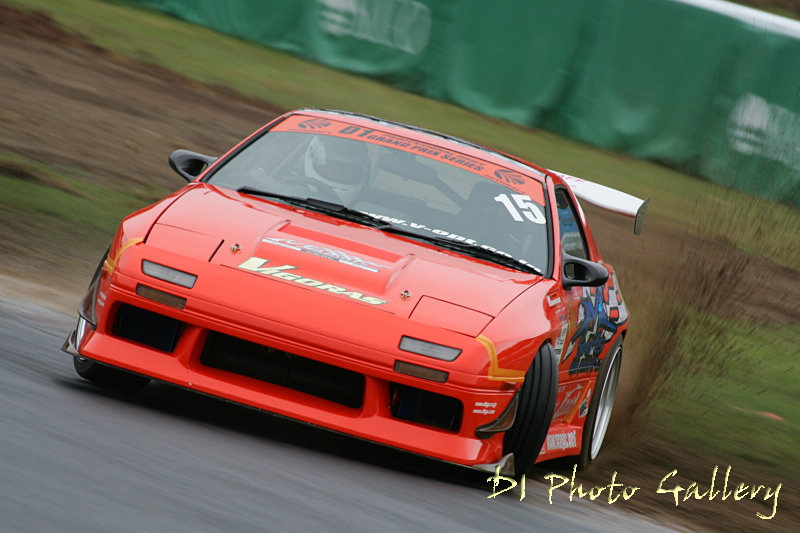
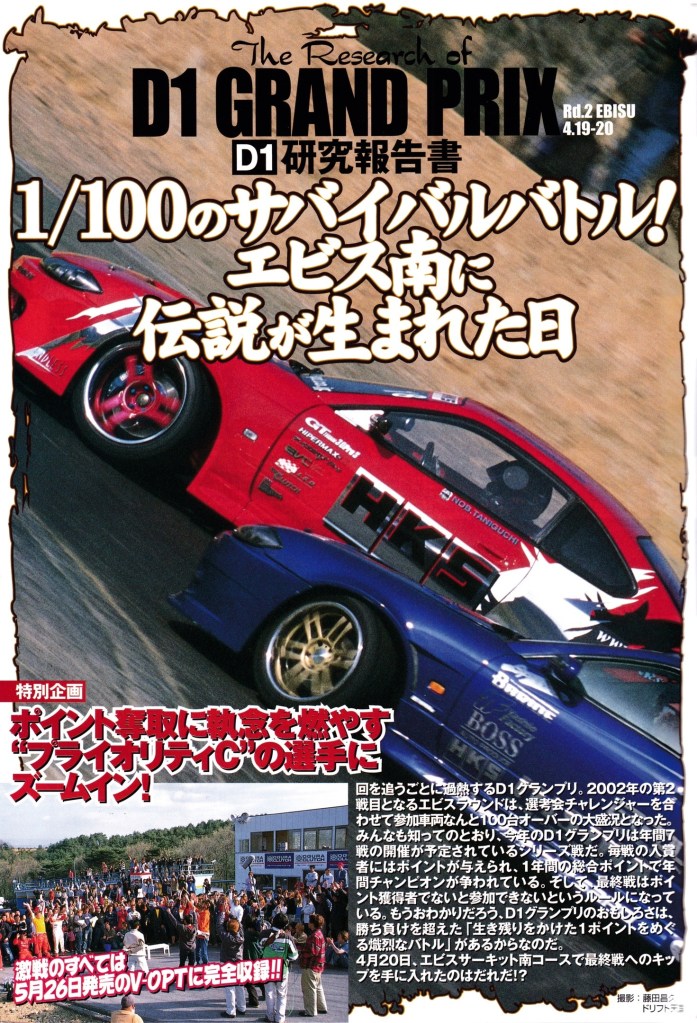
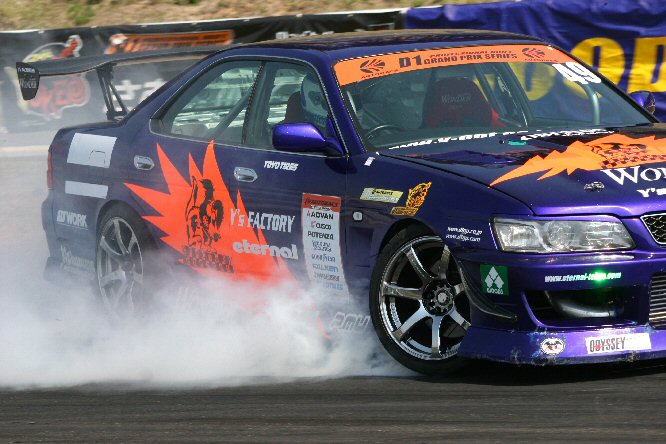
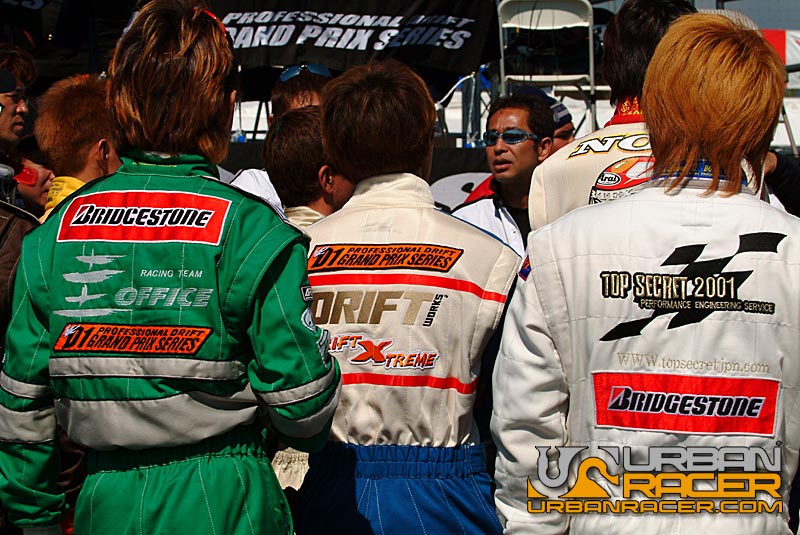
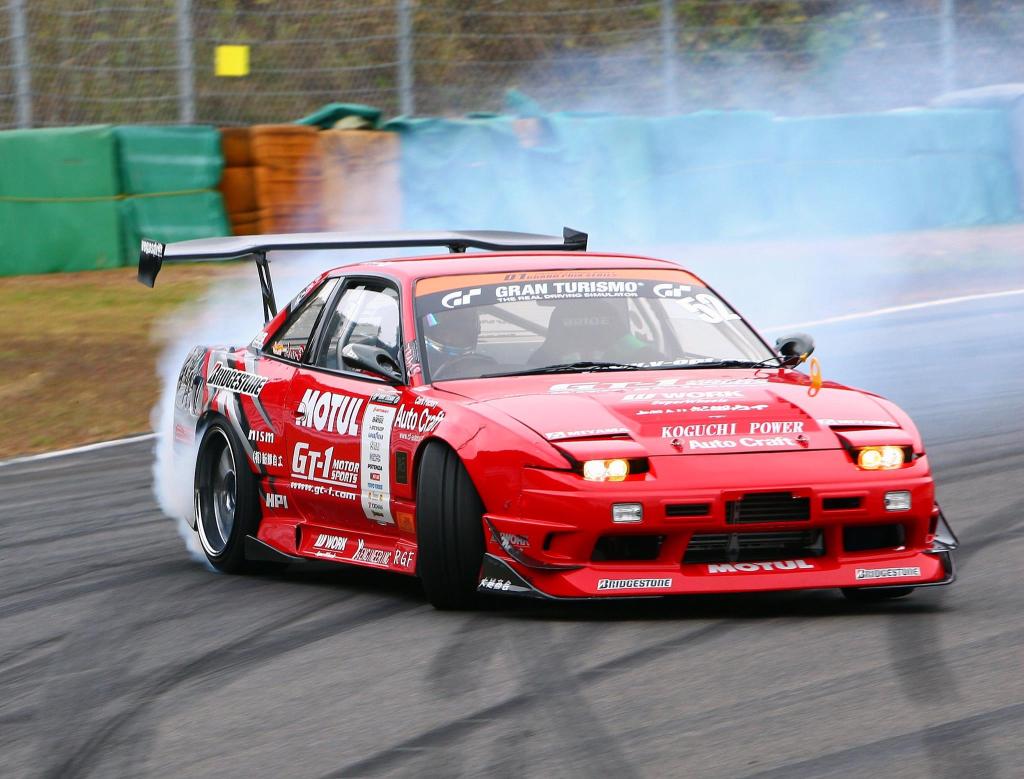
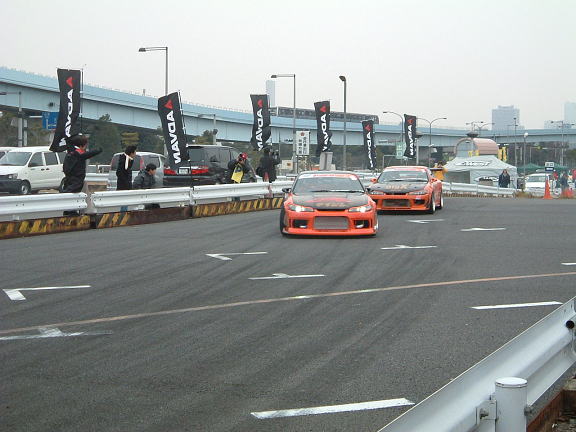
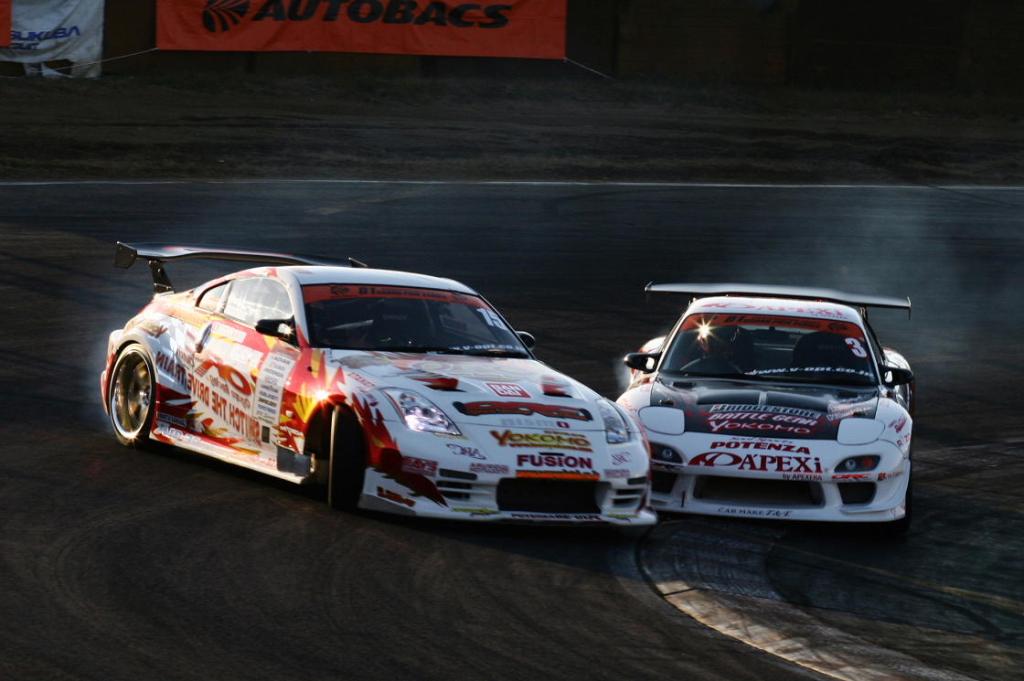
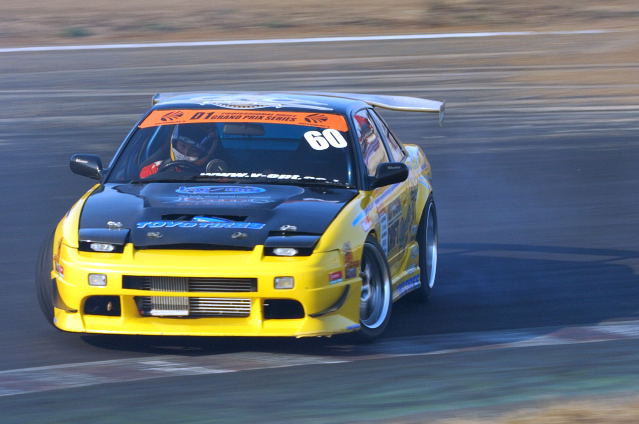
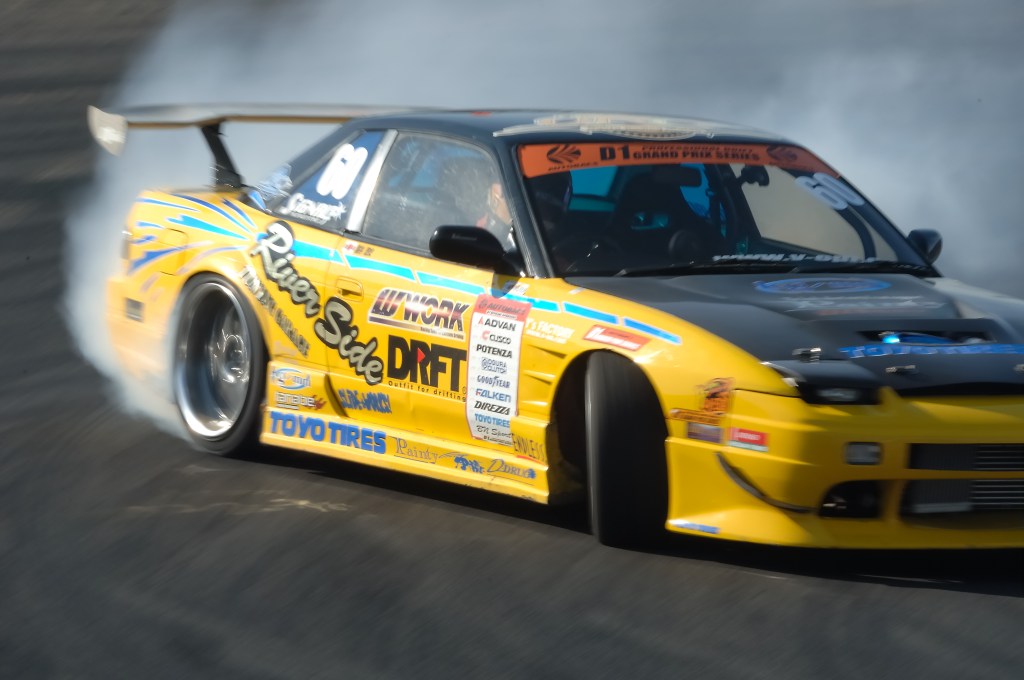
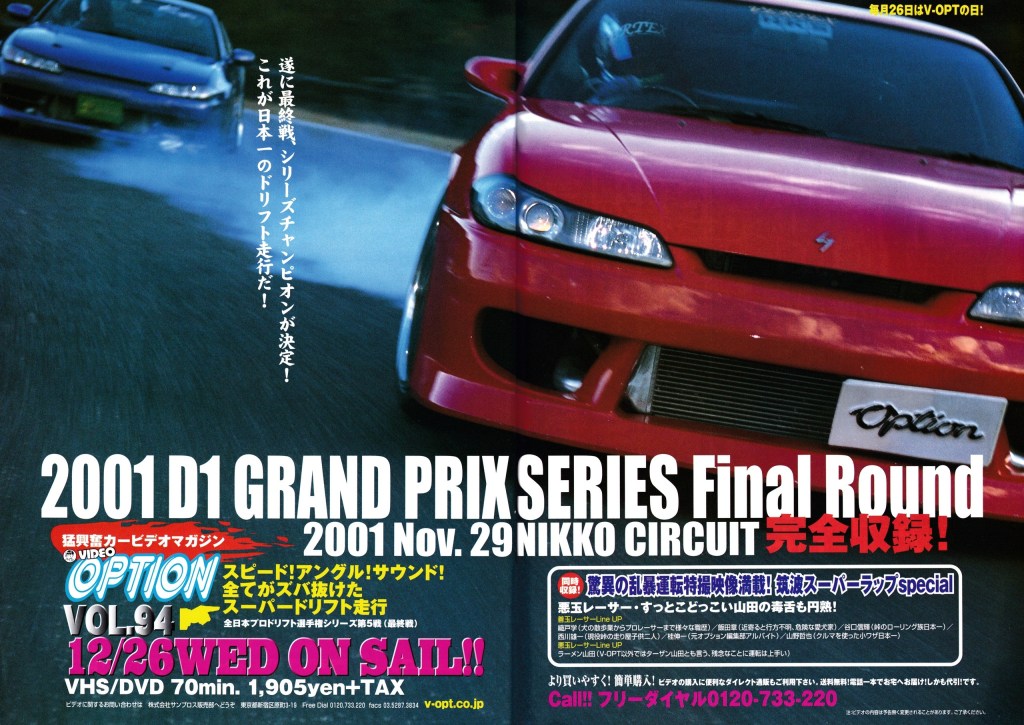
25 years ago, in 2001, the D1 Grand Prix series was born. For the first time, drifting had a proper championship with structured rules and regulations, even if they were still evolving. The format began with a solo run, known as tansou, where drivers demonstrated their skill and style. Those who advanced moved into a Top 16 battle bracket, going head-to-head in tandem runs.
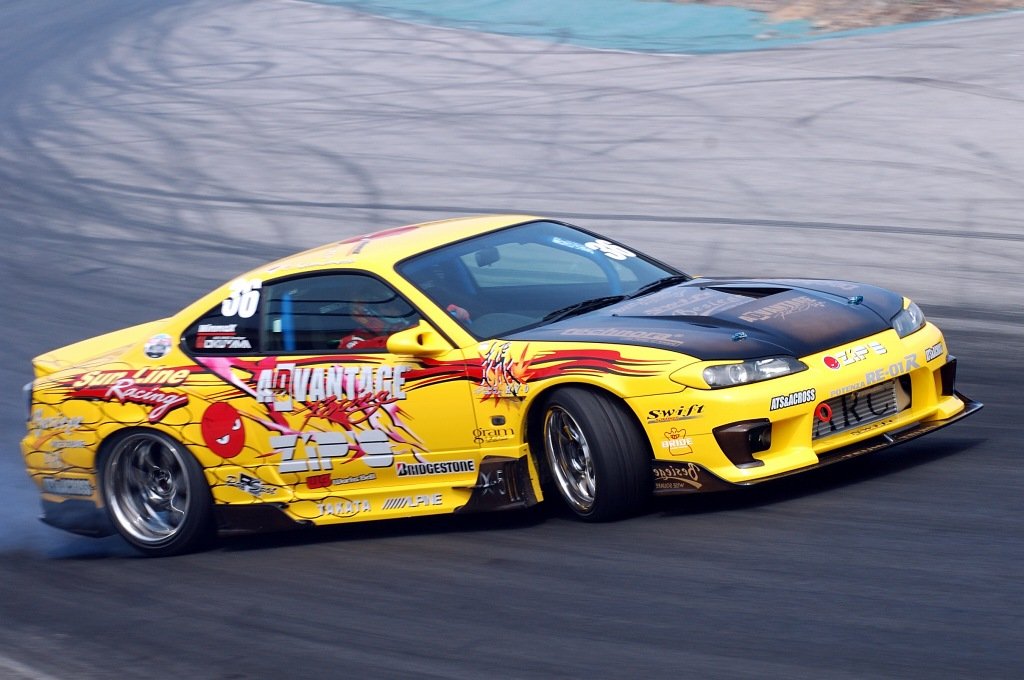
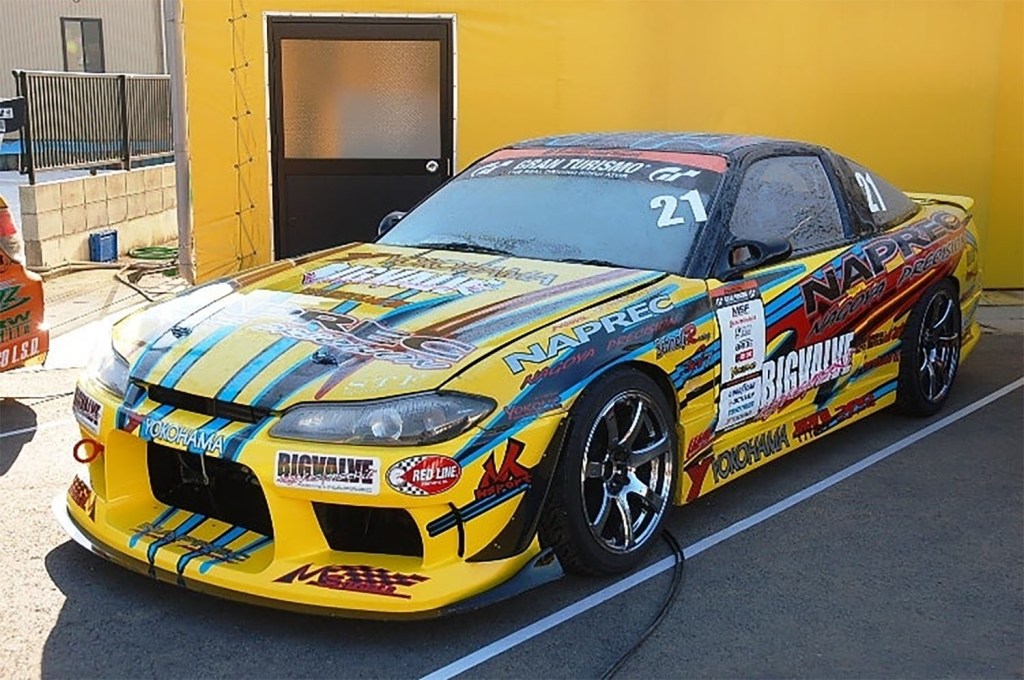
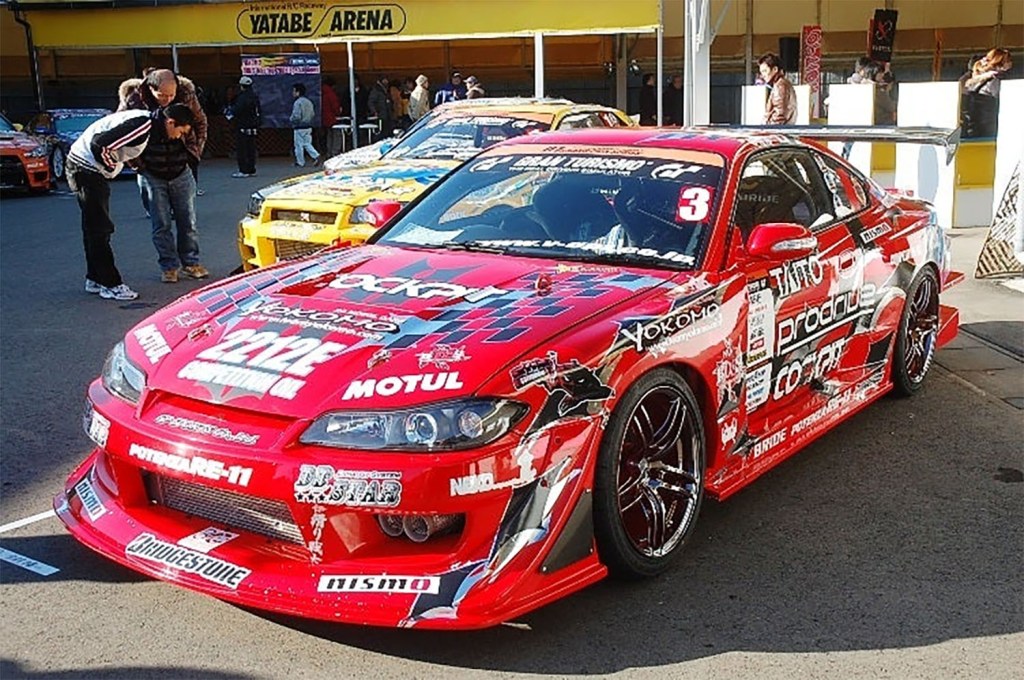
The inaugural 2001 championship, consisting of five rounds, was won by Nobuteru Taniguchi in his S15 Silvia.
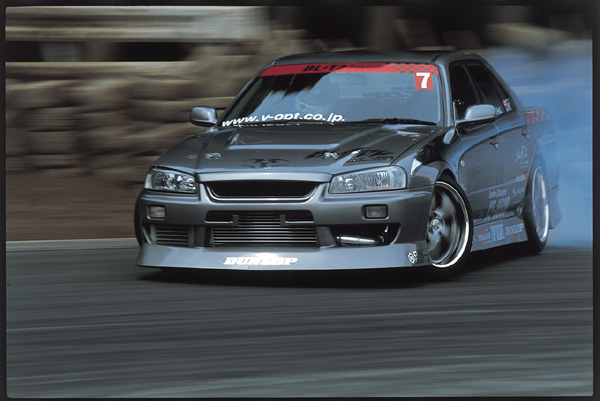
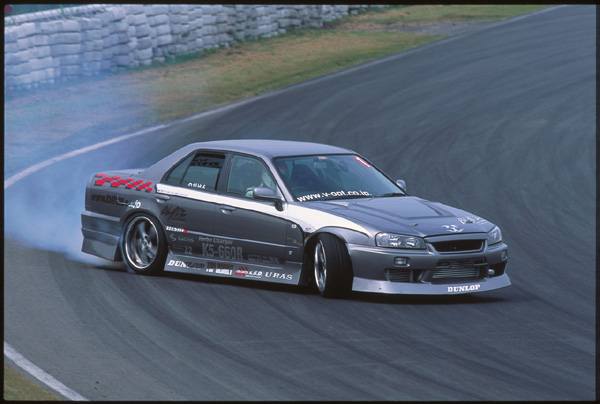
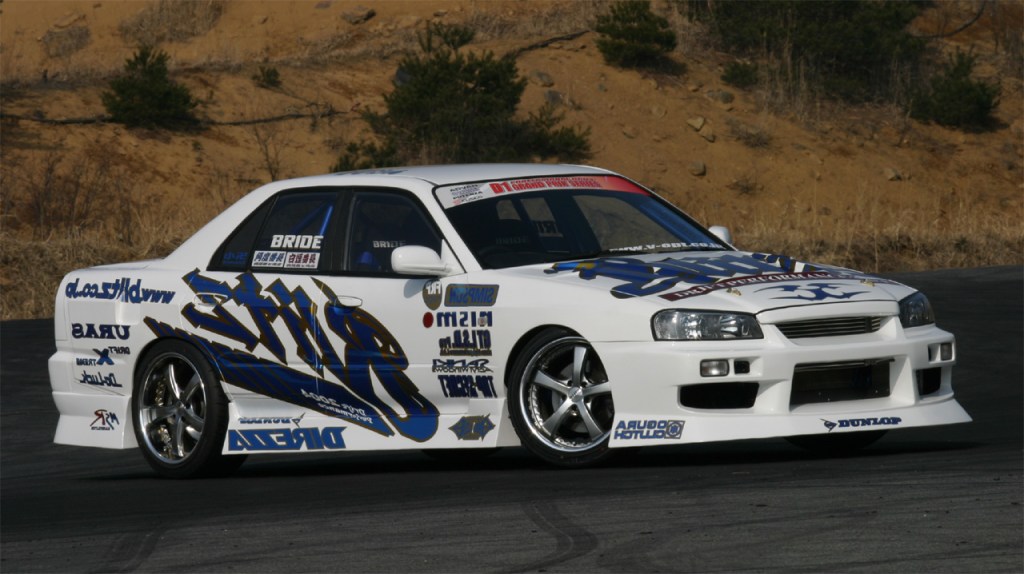
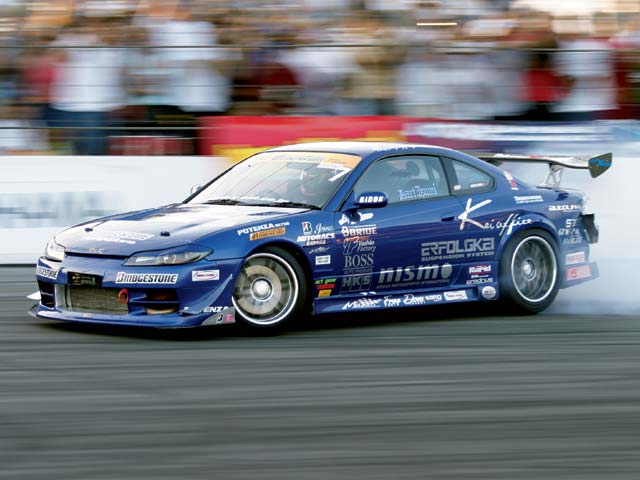
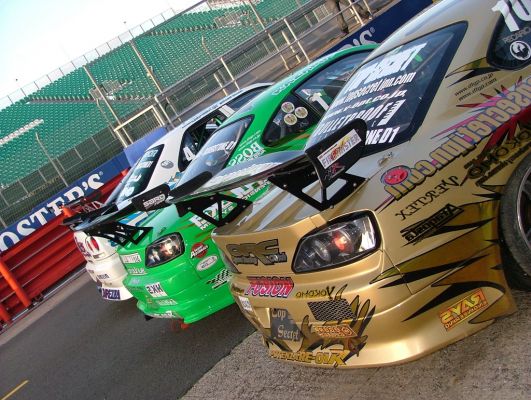
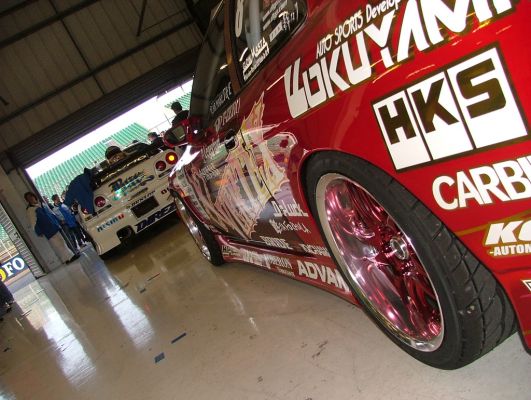
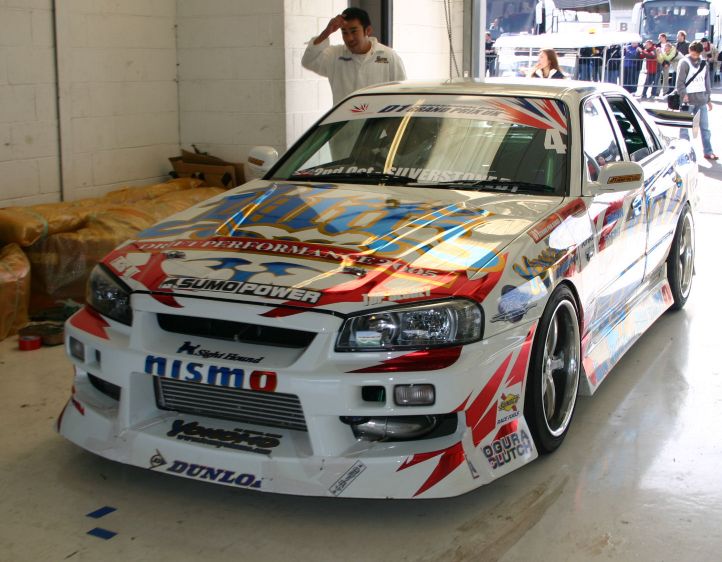
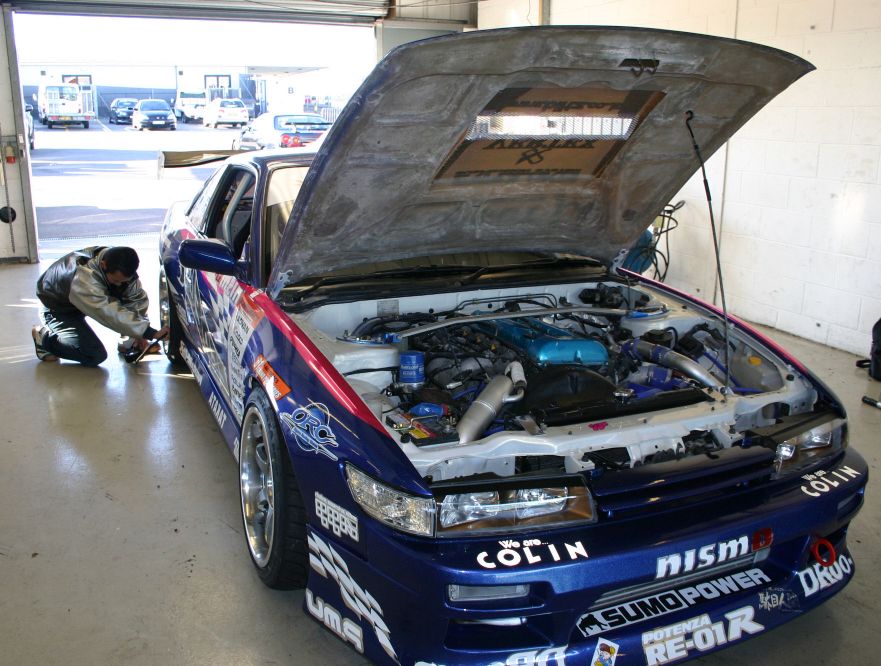
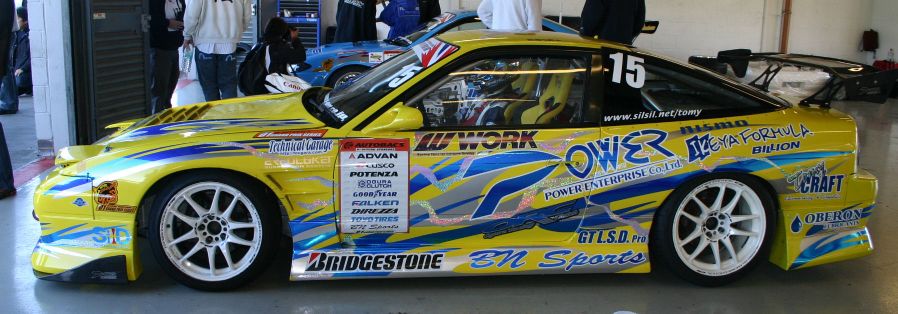
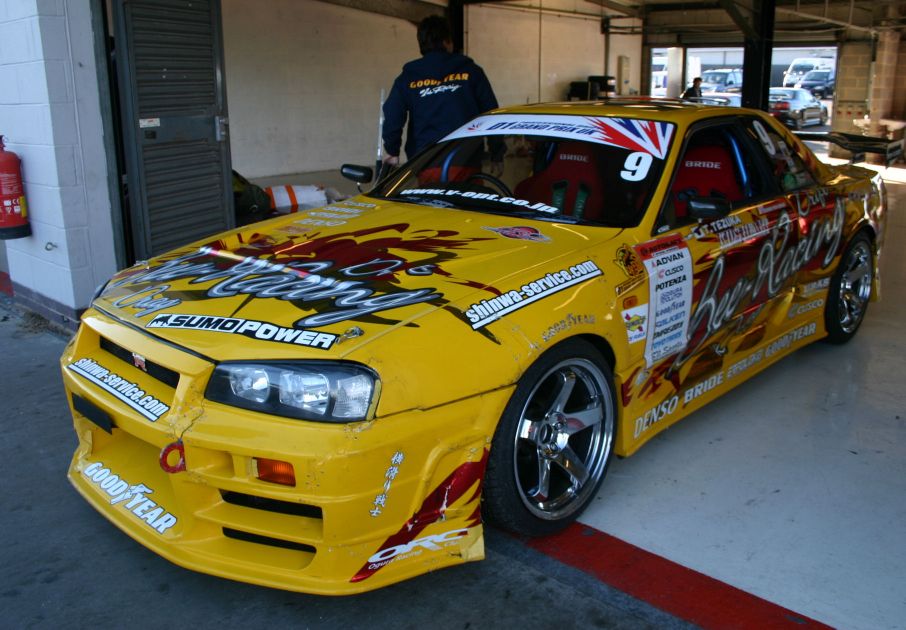
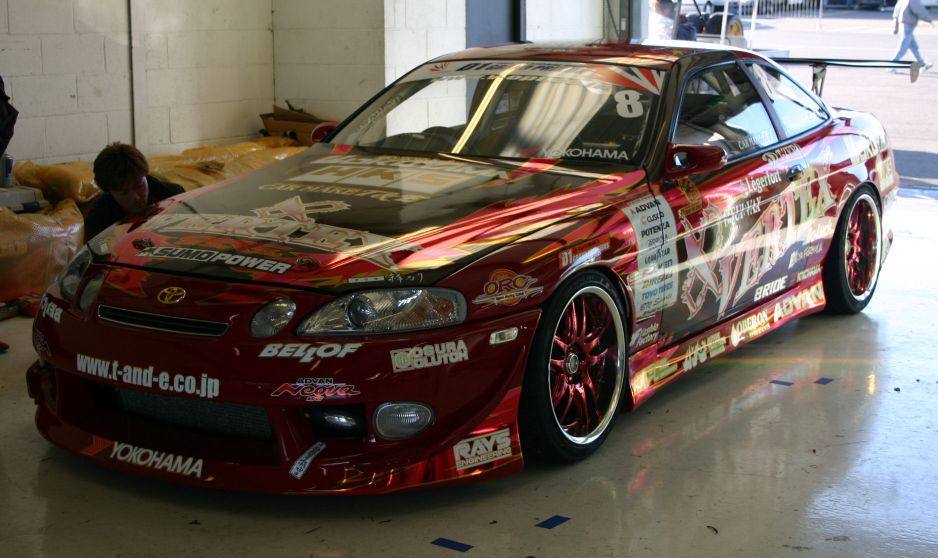
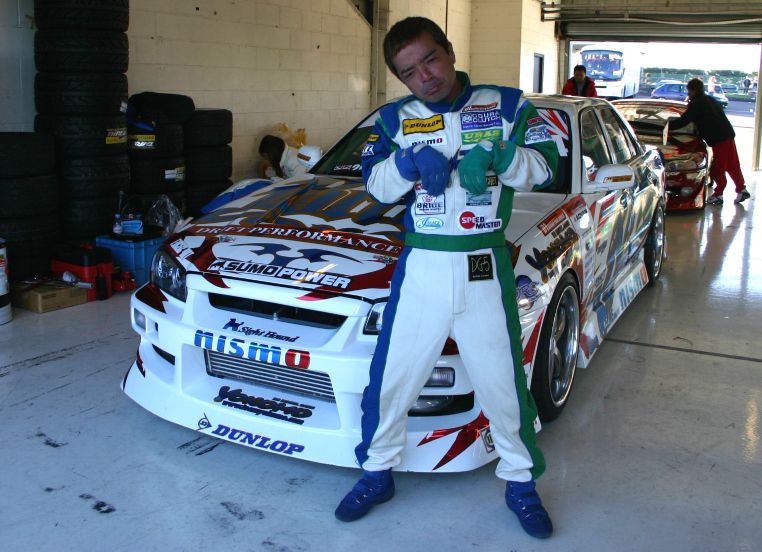
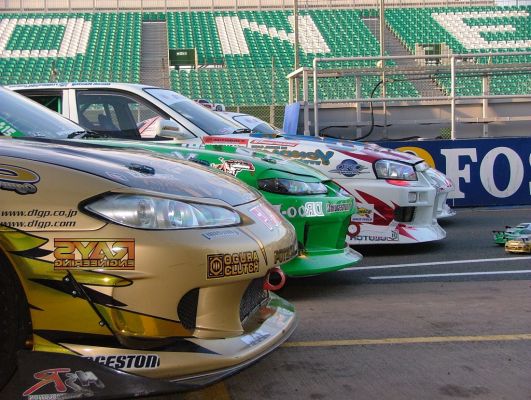
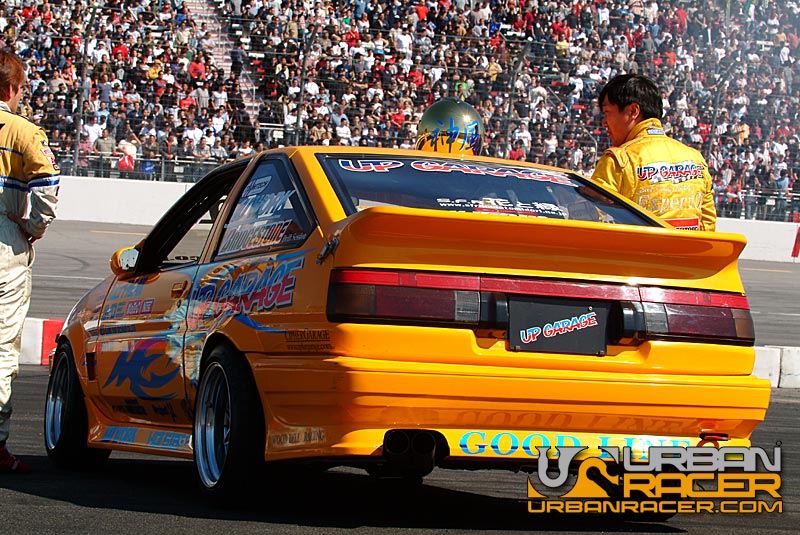
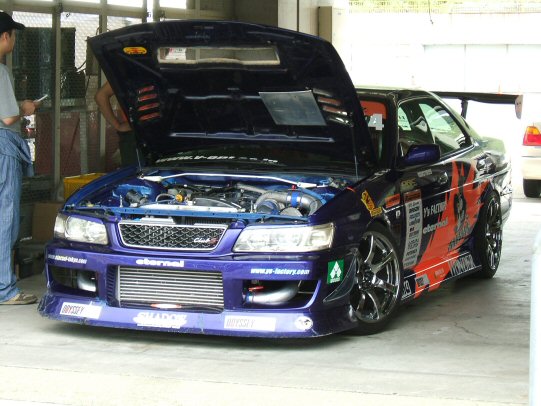
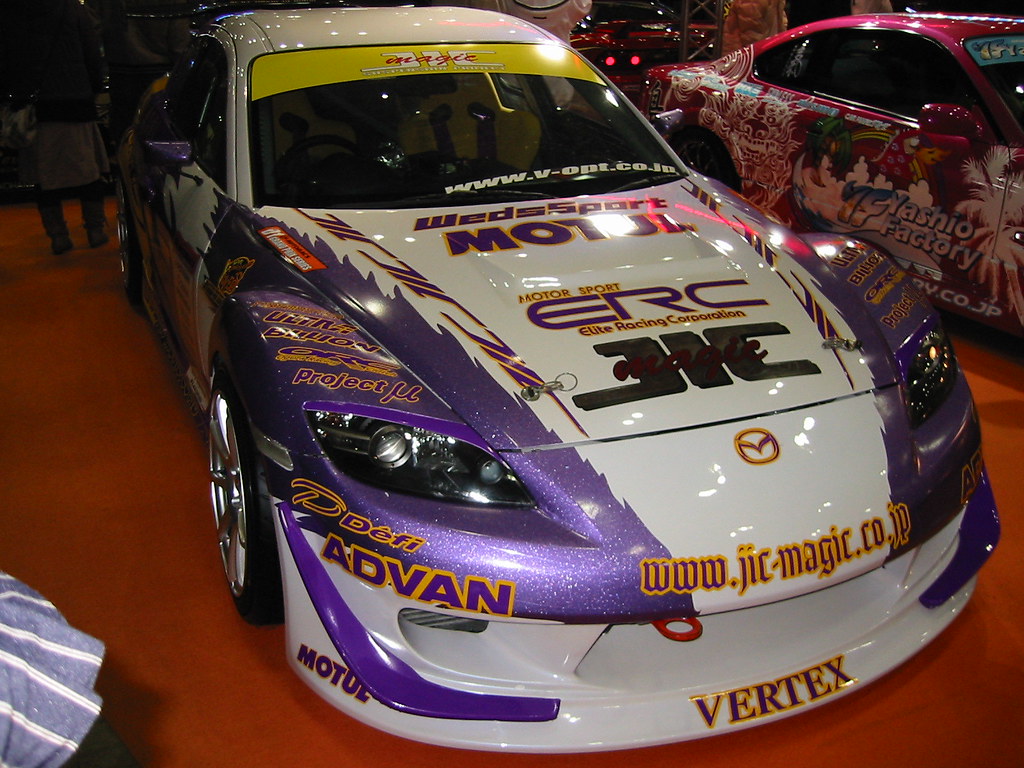
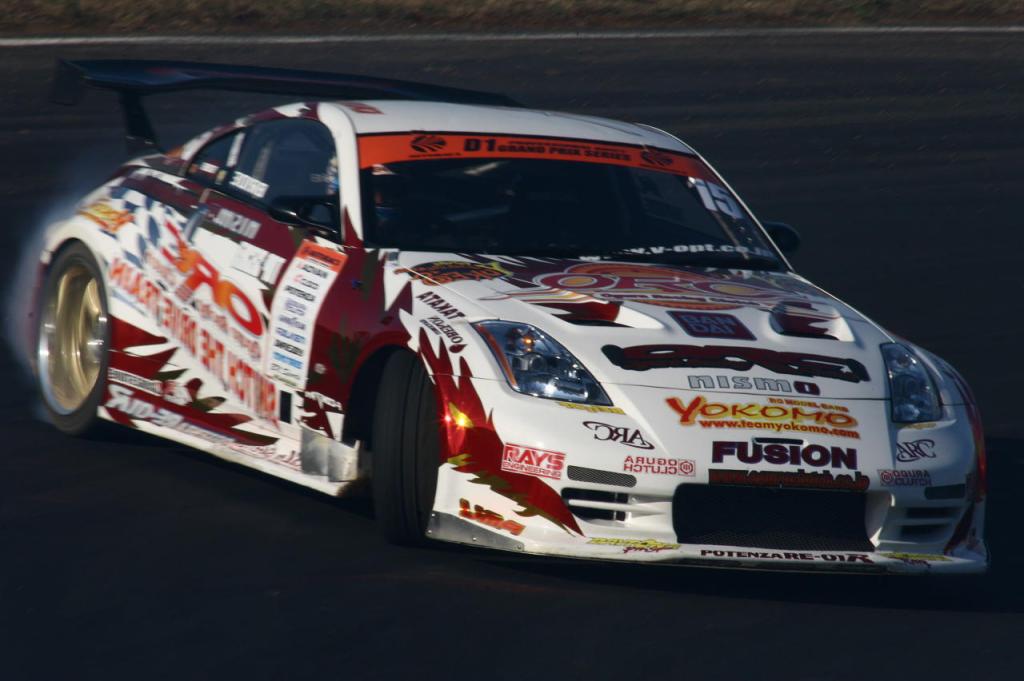
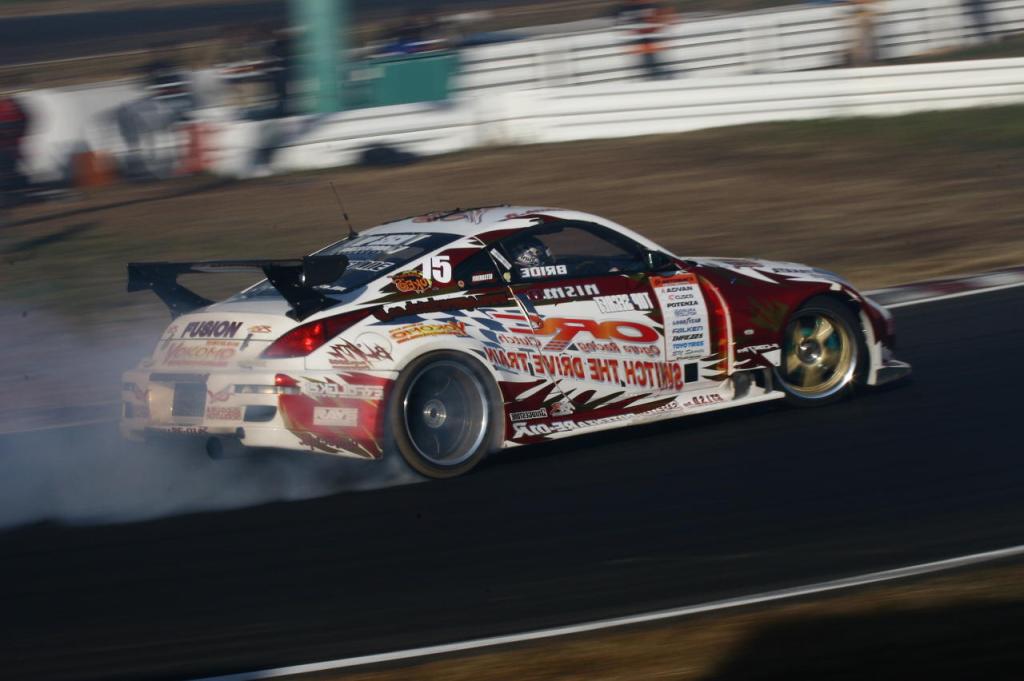
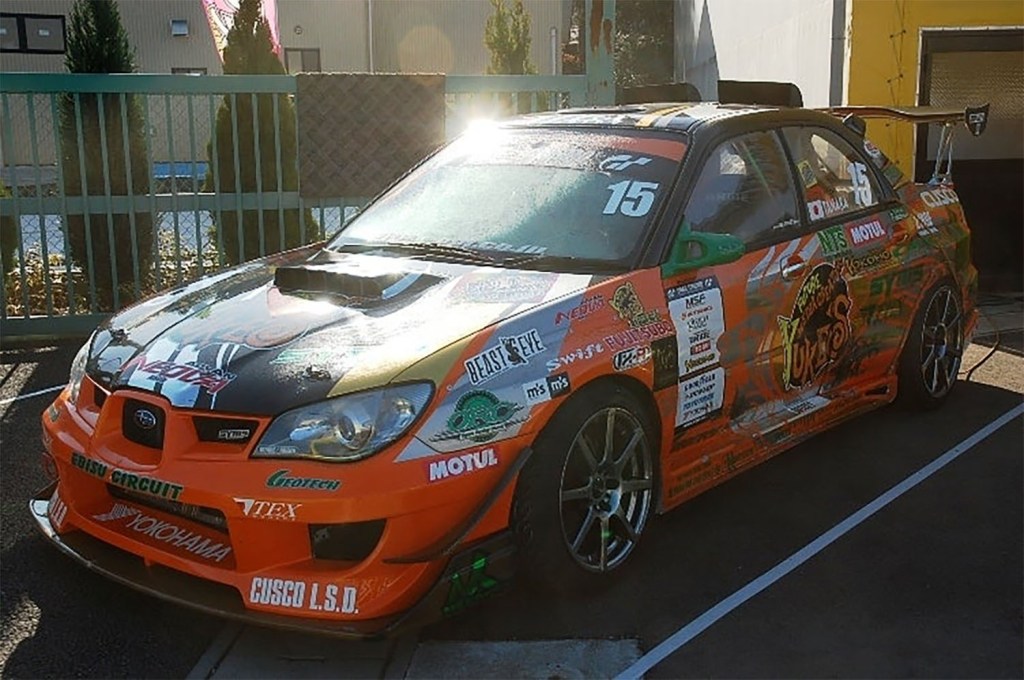
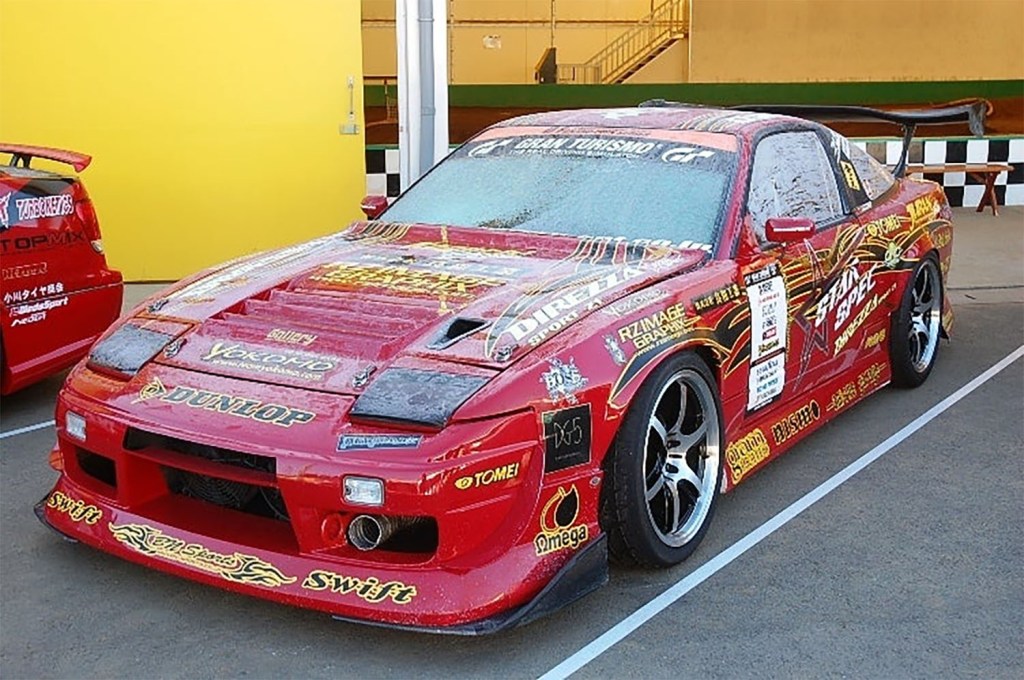
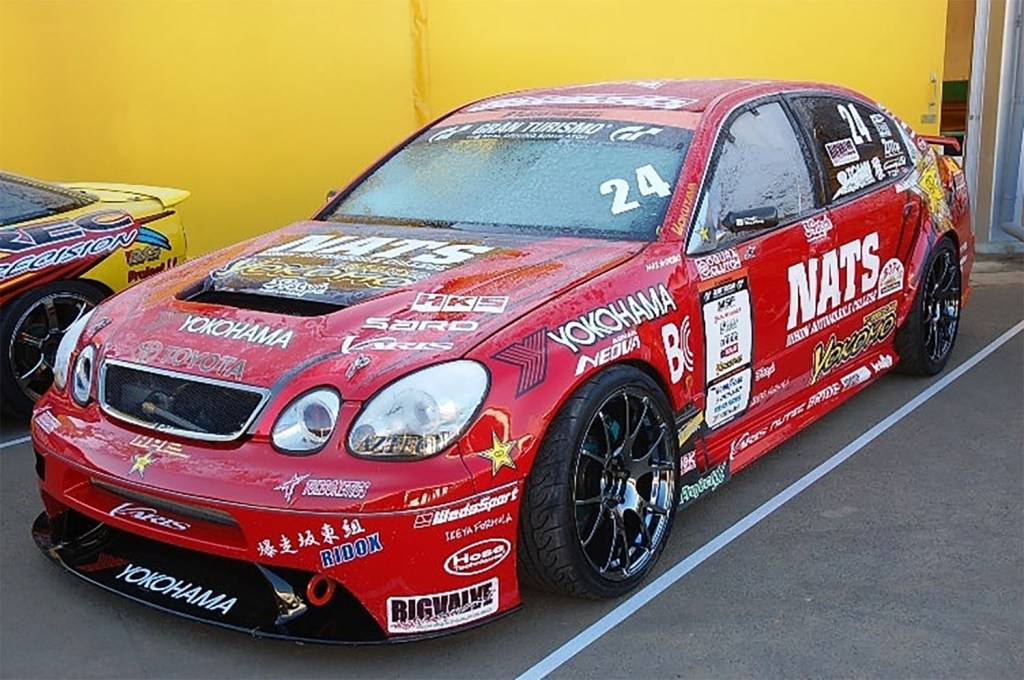
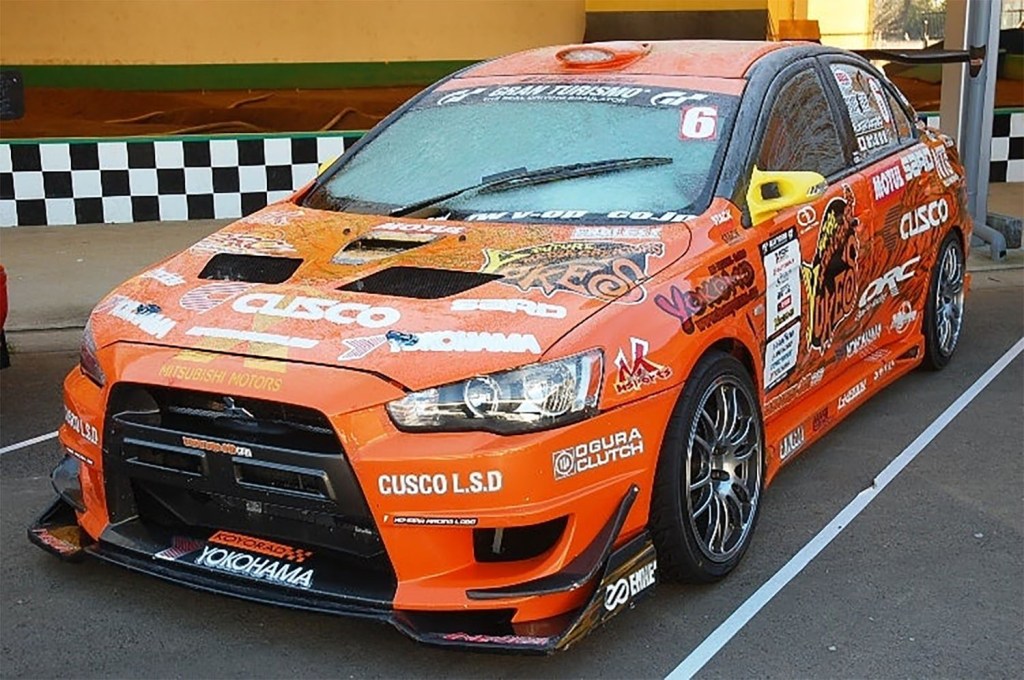
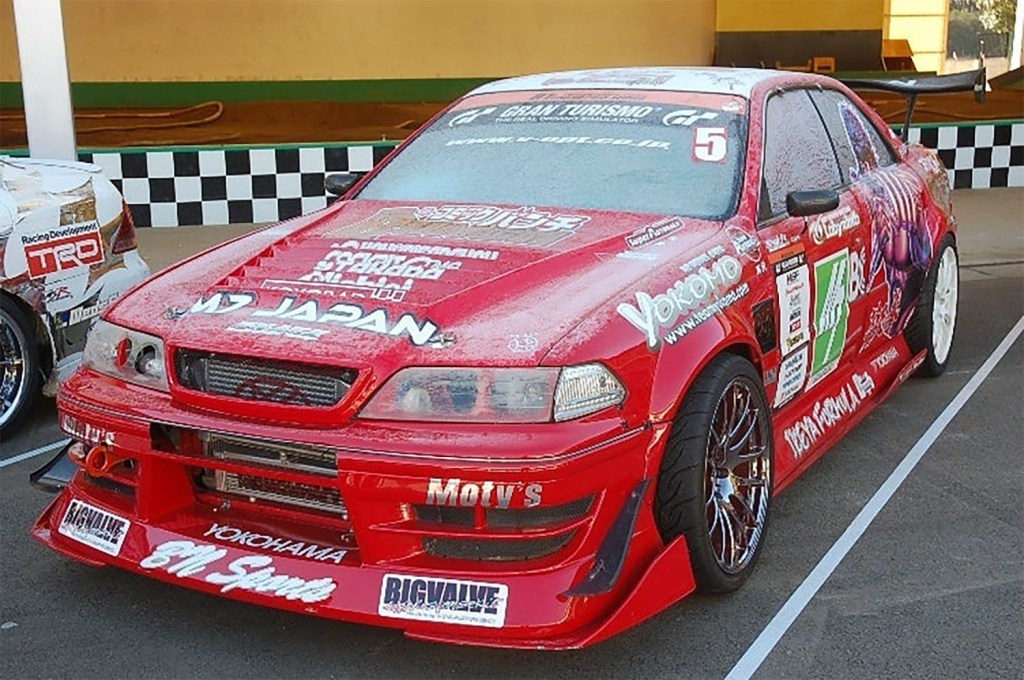
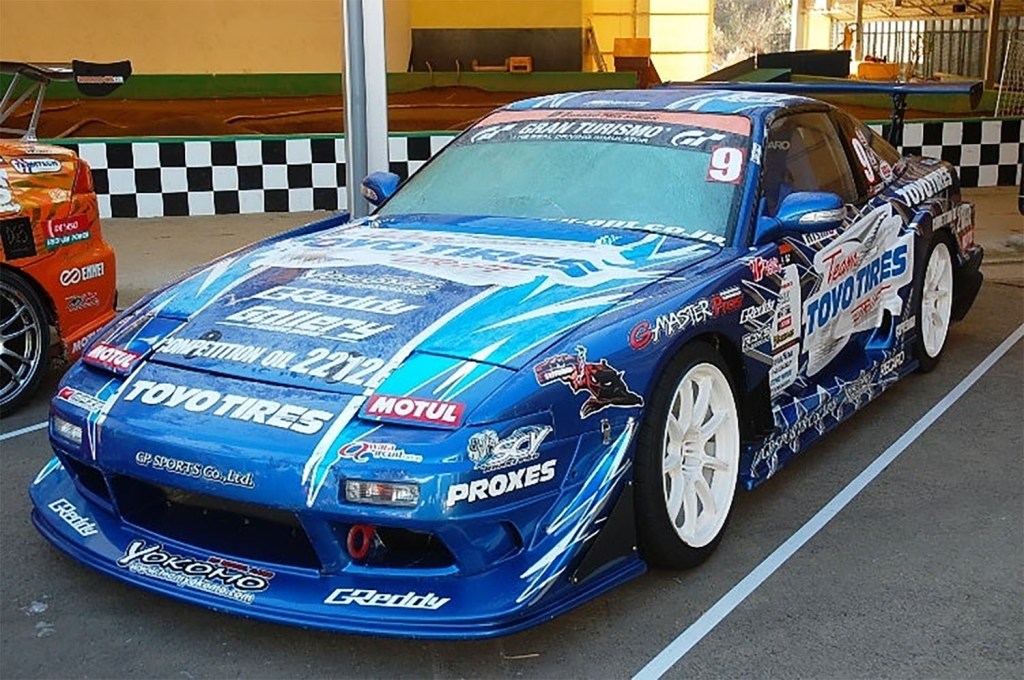
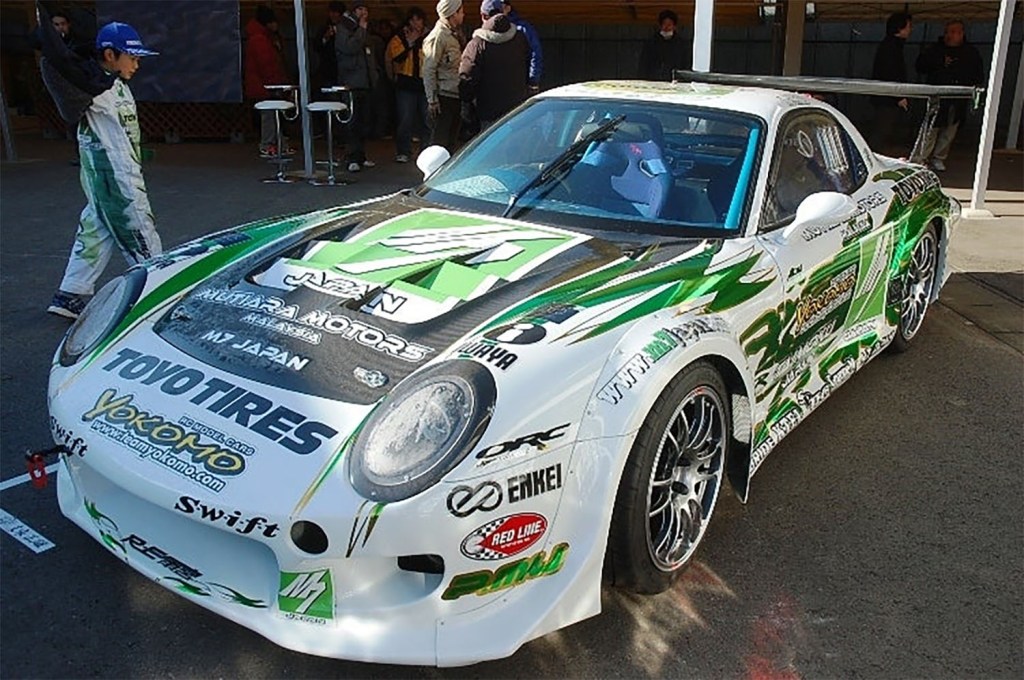
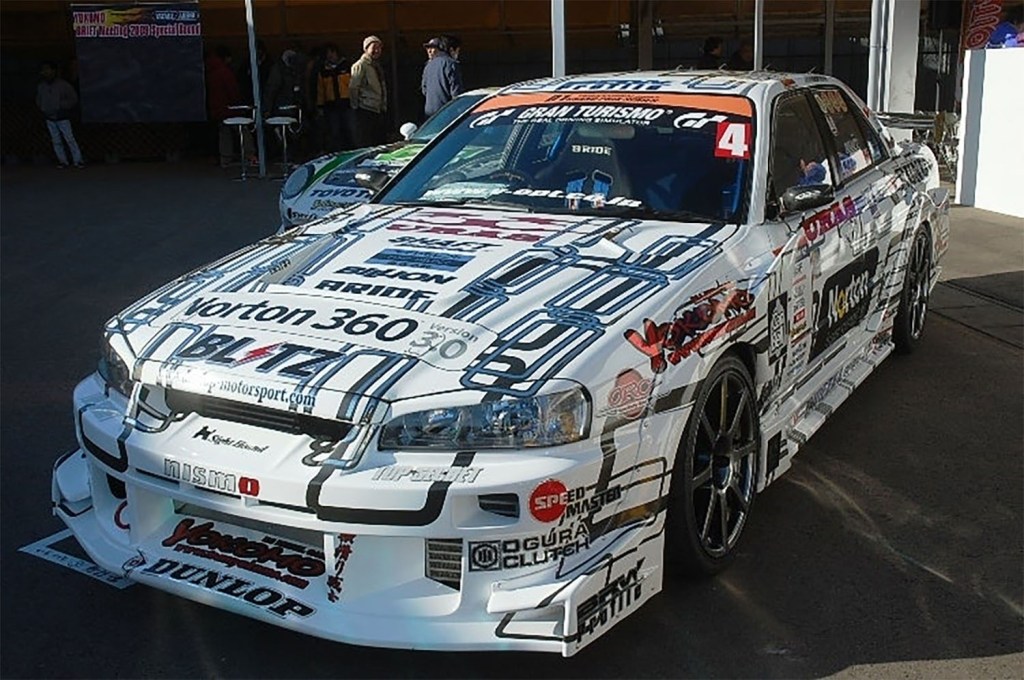
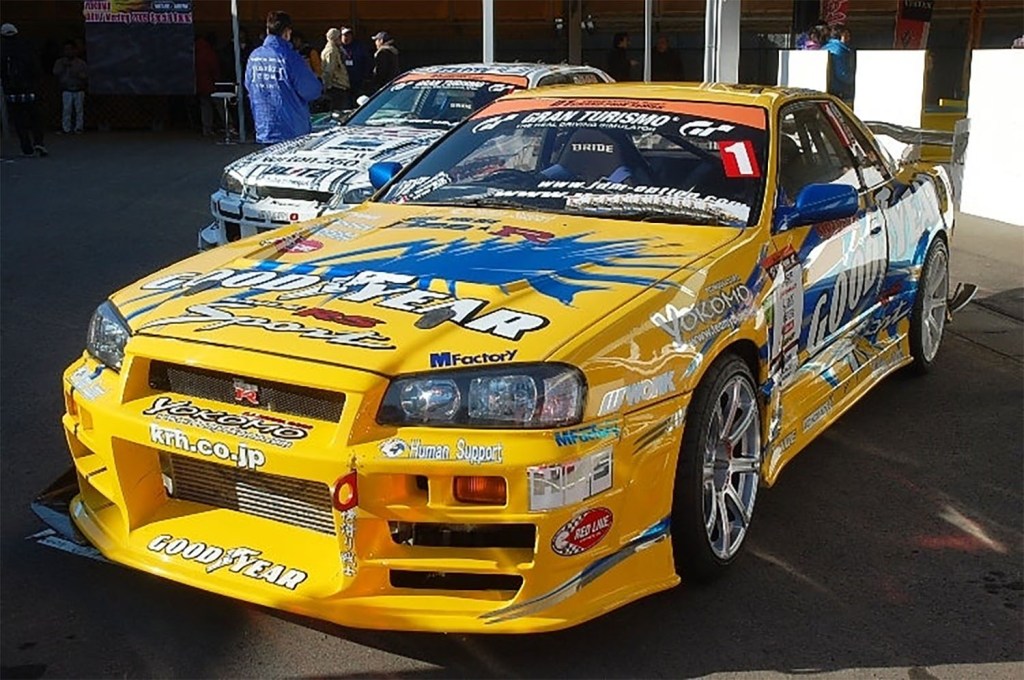
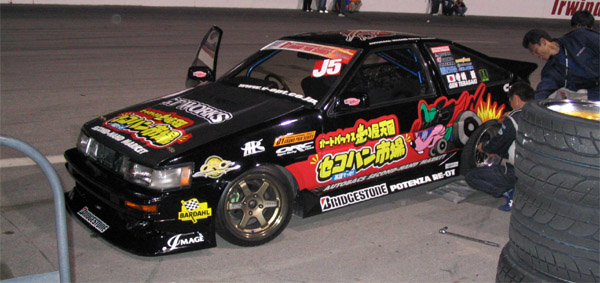
By 2002, the landscape had already begun to shift. What started as a field largely made up of privateer builds quickly evolved, with major sponsors stepping in to support both drivers and teams. The level of car preparation and presentation rose rapidly, setting the tone for what D1GP would become.
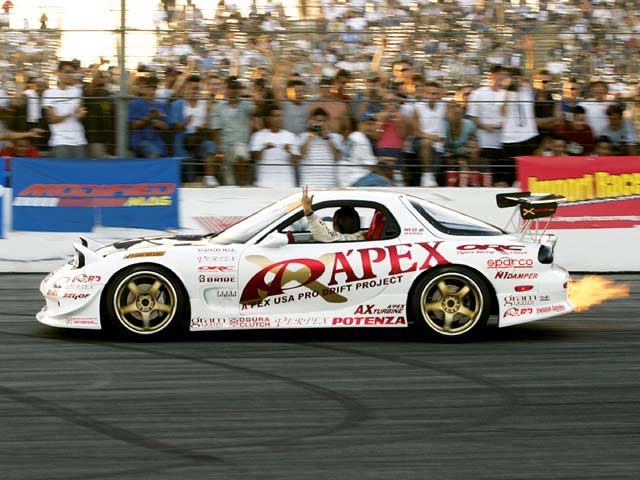
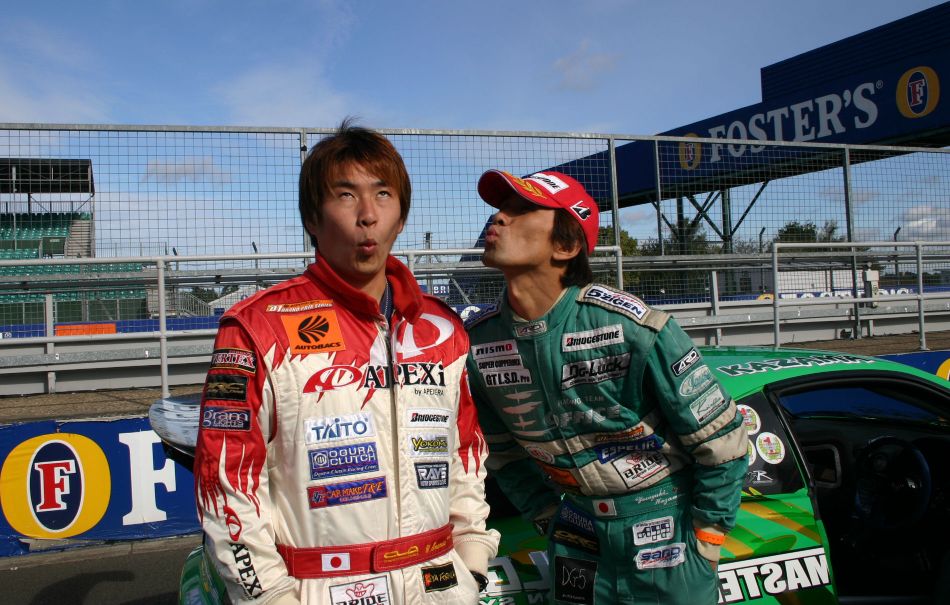
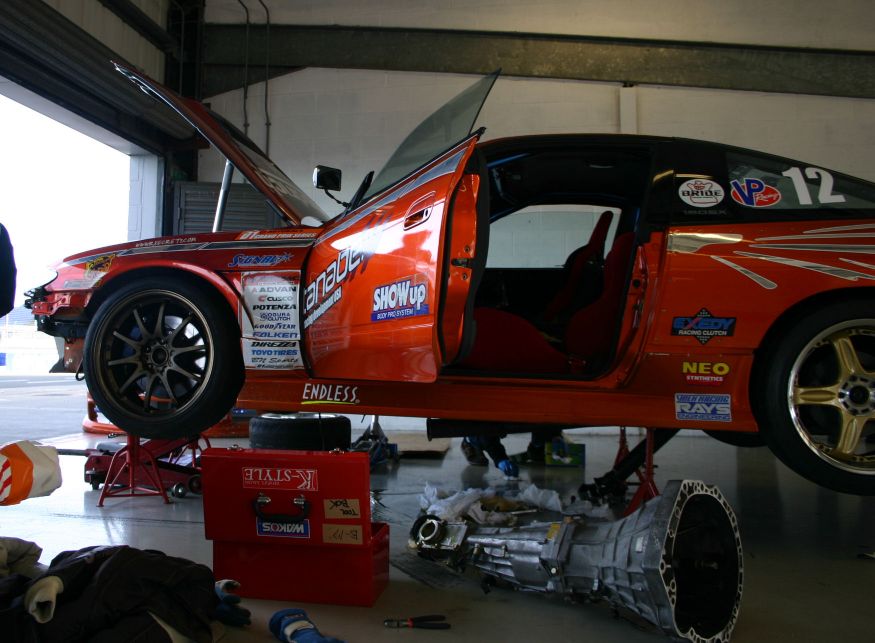
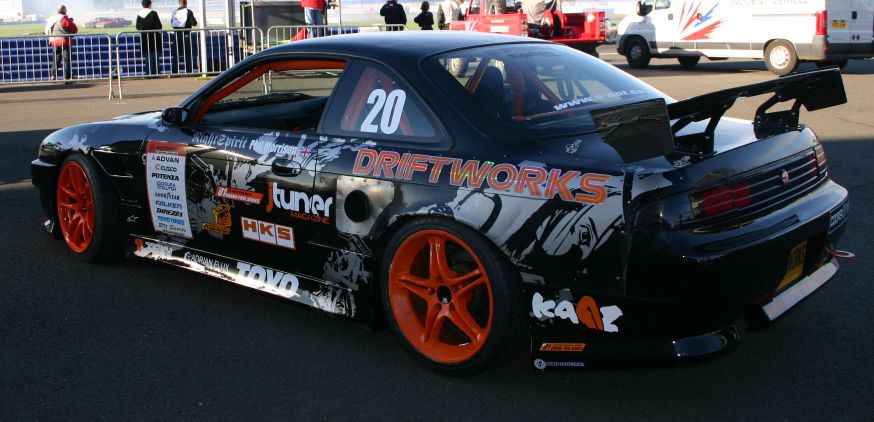
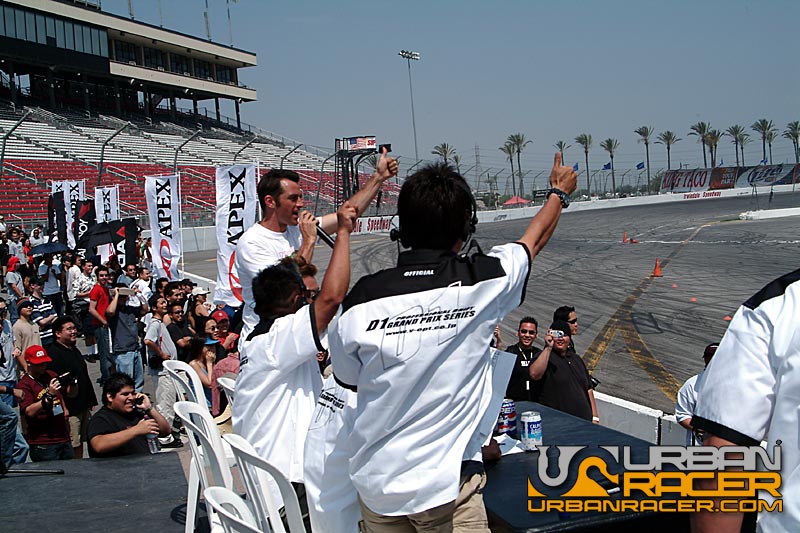
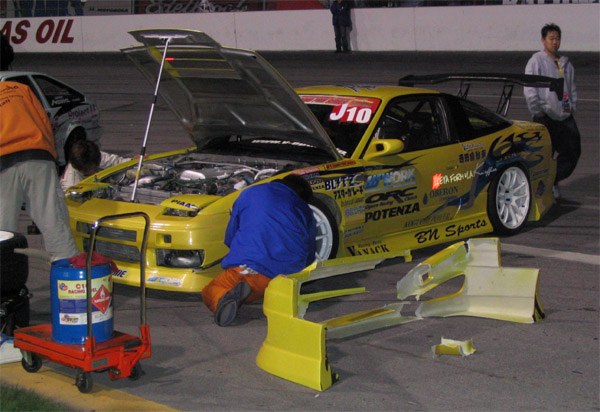
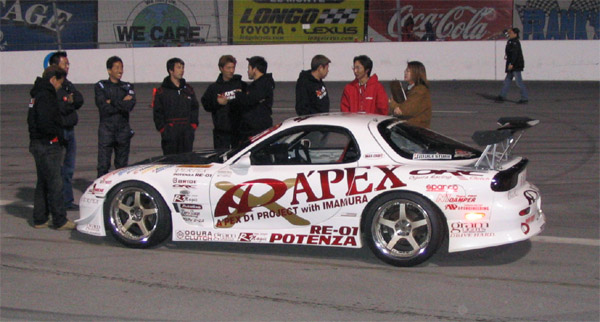
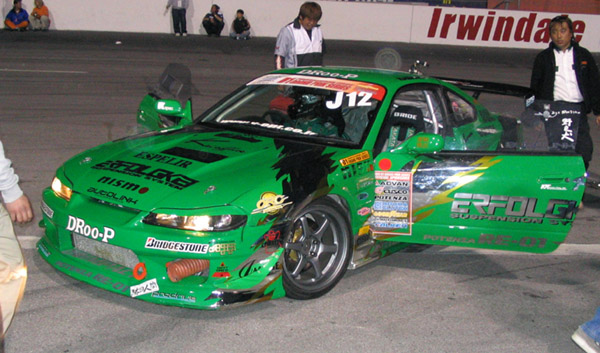
Although it began as a domestic Japanese series, D1GP made its first move internationally in 2003, when a selection of cars were shipped to the United States for the D1GP Exhibition Match. It marked the beginning of a broader global presence, with future rounds held at venues like Irwindale Speedway in the US and even Silverstone in the UK by 2005.
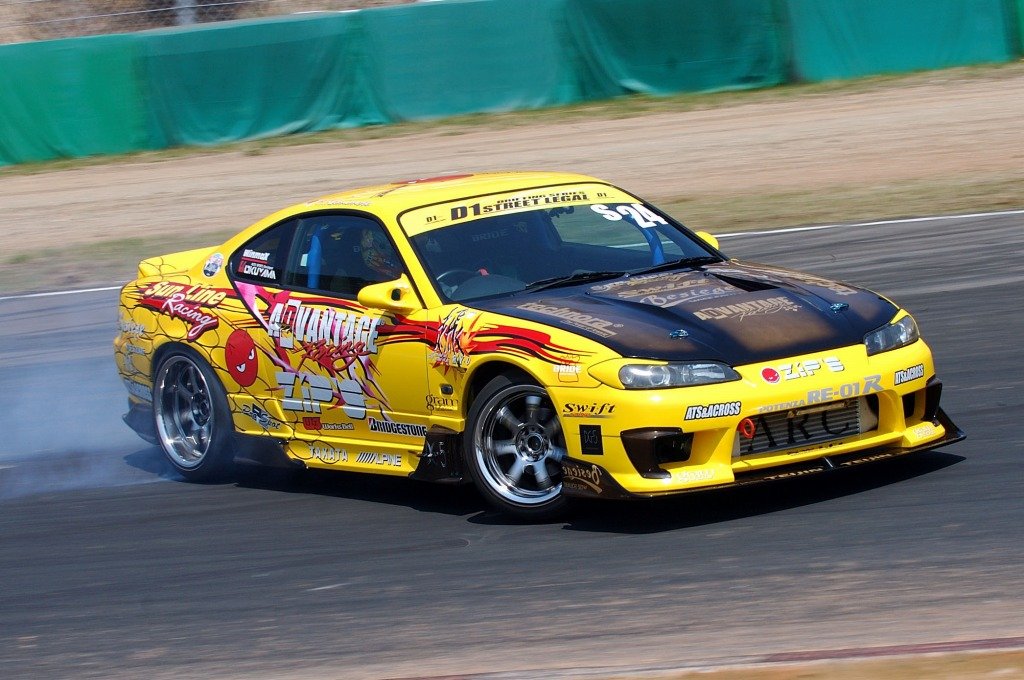
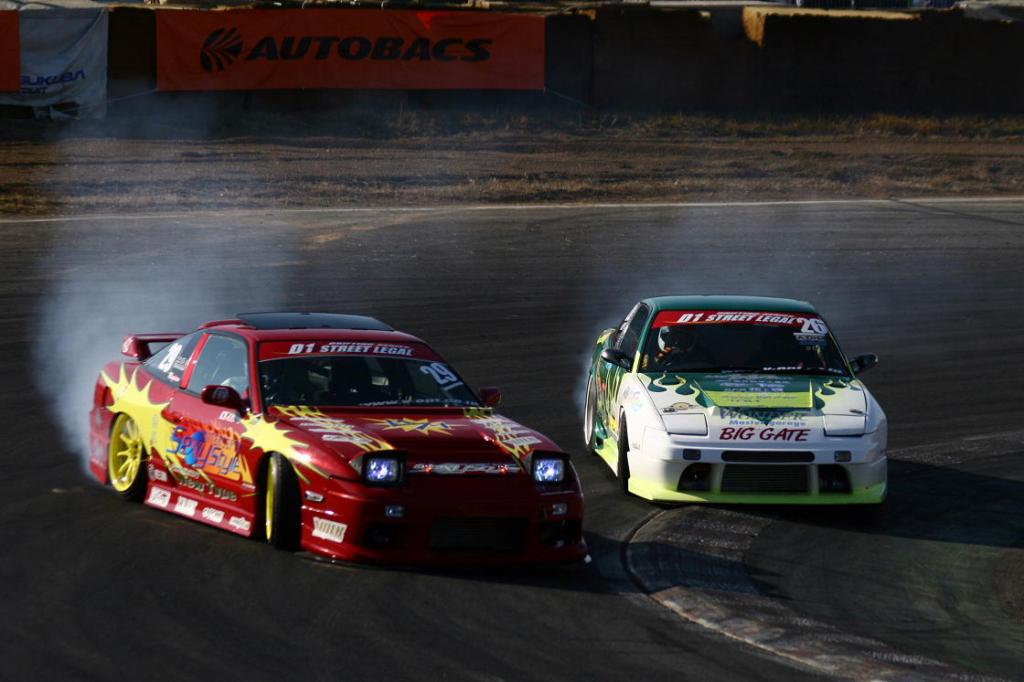
As the series grew, so did the need for structure at different levels. In late 2005, D1 Street Legal was introduced as a feeder series, built around stricter regulations to keep competition close and accessible. Cars were required to meet road registration standards, including passing Japan’s Shaken inspection. The series ran for over a decade before being reworked into D1 Lights, which continues today.
That same year also saw the introduction of the D1 Ladies League, creating a dedicated space for female drivers in what had been a heavily male-dominated scene.
Beyond the track, D1GP expanded into gaming culture, with a PlayStation 2 title released in 2005, followed by an arcade game in 2007, further cementing its influence.
Today, D1GP and D1 Lights continue to stand as two of the most prominent drifting series in Japan, alongside Formula Drift Japan. What began as a niche motorsport has grown into a global movement, with hundreds of thousands of participants and a worldwide audience to match.























 Garage Sokudo
Leave a comment