
When it comes to one of the most unique Japanese wheel stories, I think the Regamaster from wheel manufacturer Desmond has to take the cake.
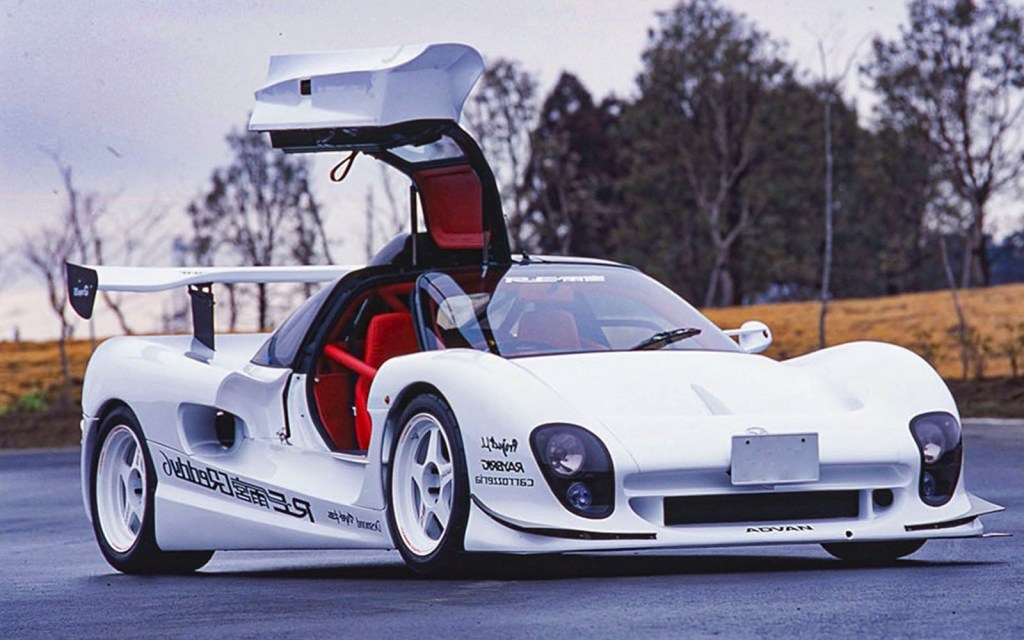
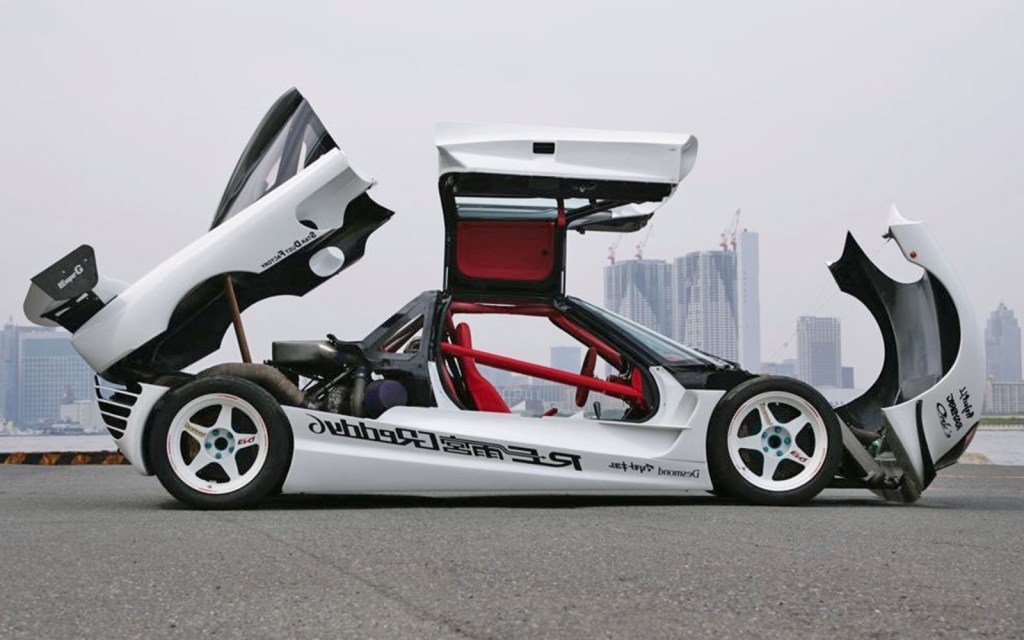
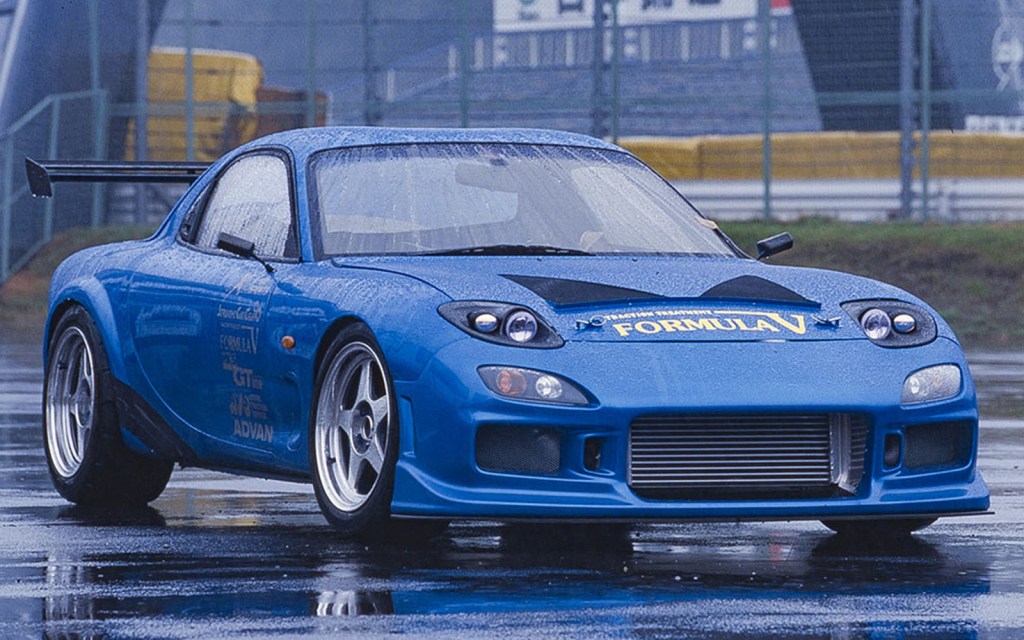
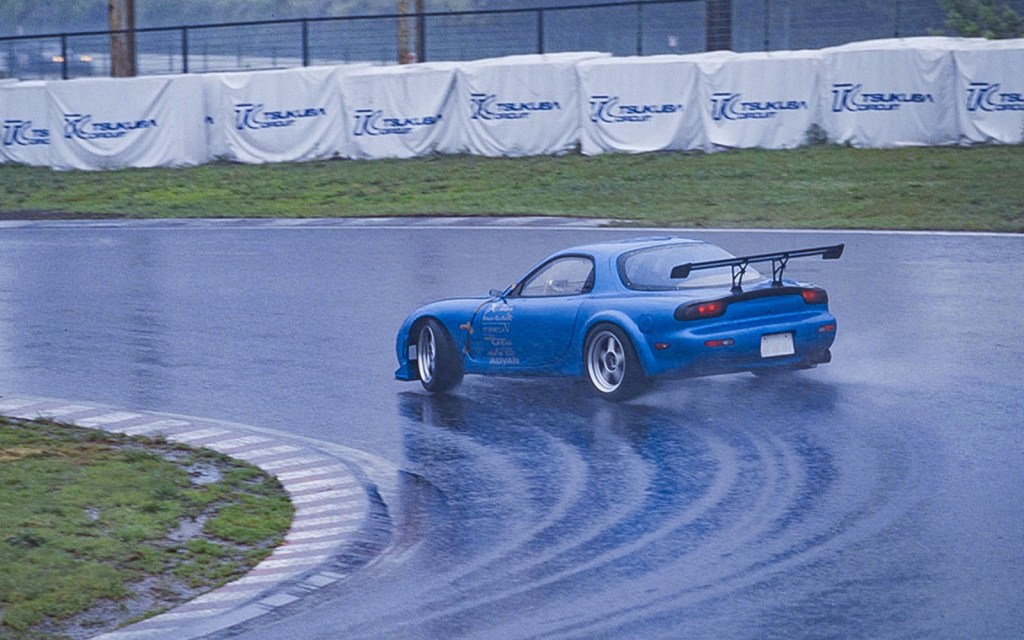
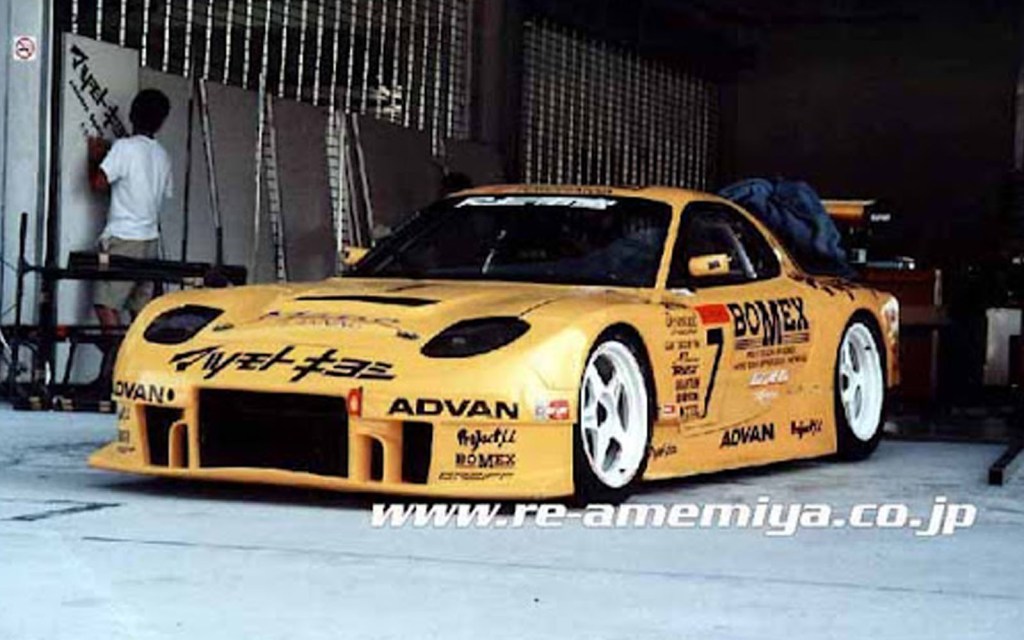
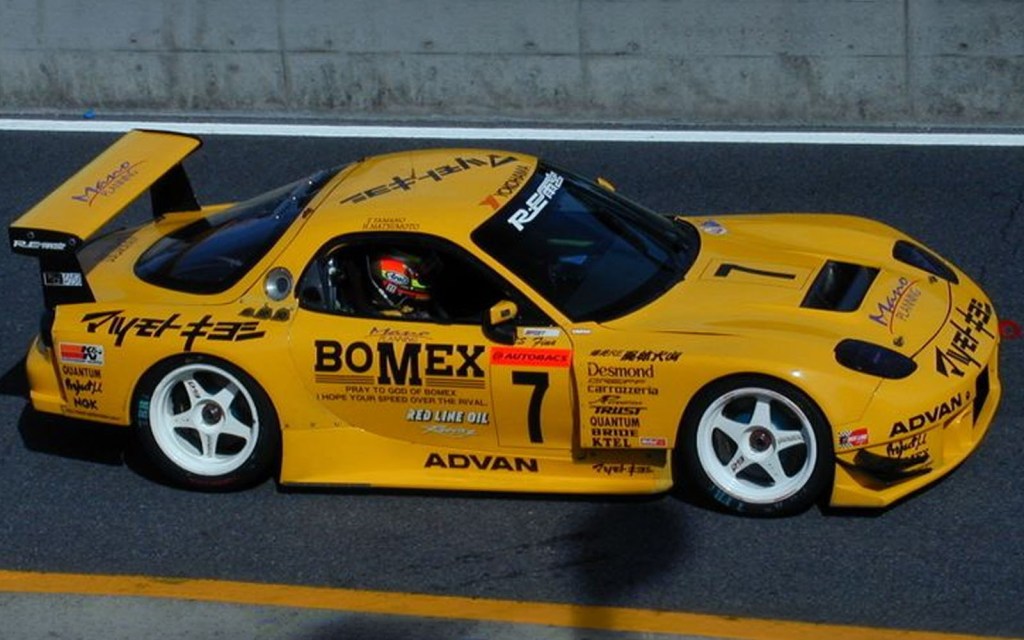
Desmond, responsible for achieving some major milestones in Japanese tuning history, was quite an understated business. It was more of a behind-the-scenes brand, with not much public knowledge surrounding the company itself. Designing and manufacturing some iconic wheels, Desmond collaborated with Wise Sports to create their well-known five-spoke and mesh designs, but their most notable partnership came with RE Amemiya to create the AW7 in the 1990s. A relationship that would later help cement Desmond’s newest project as one of the greatest wheels of all time, the Regamaster, after it was run on RE Amemiya’s JGTC RX-7. But before that, let’s dive a little deeper.
In the 1990s, Desmond set out to design a wheel that was strong, thin, and extremely lightweight, entrusting the project to highly experienced designer Kazuomi Yamamoto, who was responsible for creating many classic wheels including the Longchamp for SSR. With Yamamoto behind the wheel (no pun intended) of the Regamaster, the five-spoke design was released in a few variants.
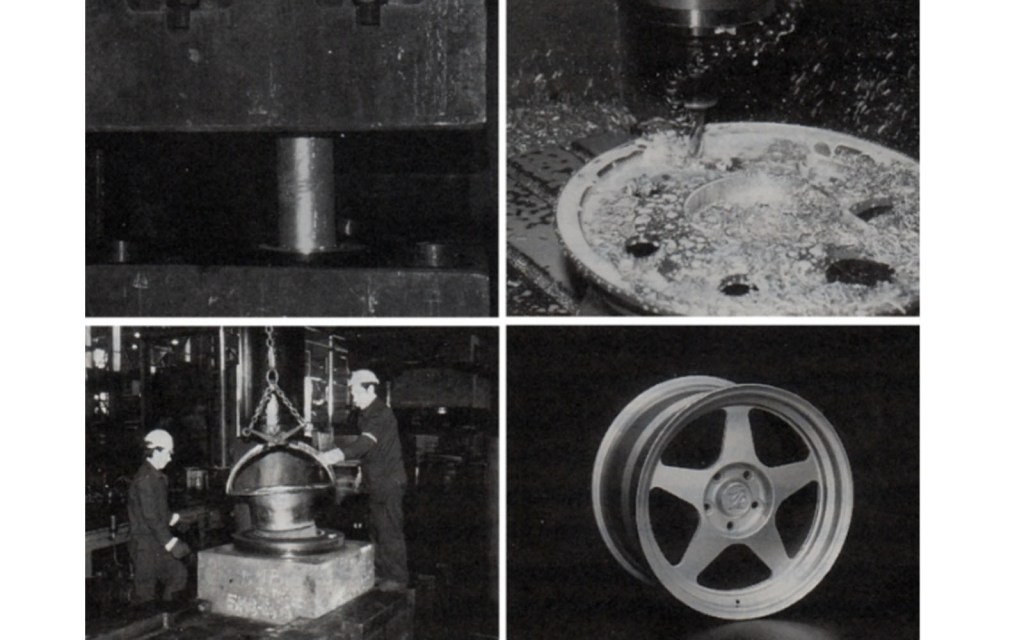
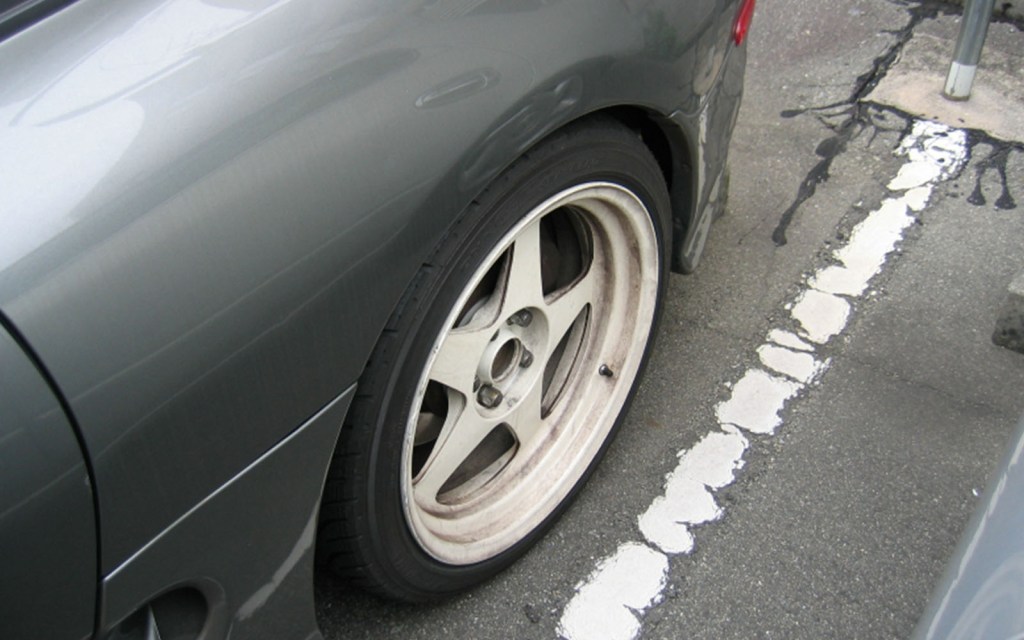
Desmond calculated that reducing wheel weight by 1kg was equivalent to reducing vehicle body weight by 15kg, so the main focus of the design was weight and strength. Using what Desmond referred to as a “super forging” process, rim thickness could be reduced to just 2.5mm, while the spokes featured an Ω-shaped cross-section to improve brake heat dissipation and increase strength-to-volume ratio.
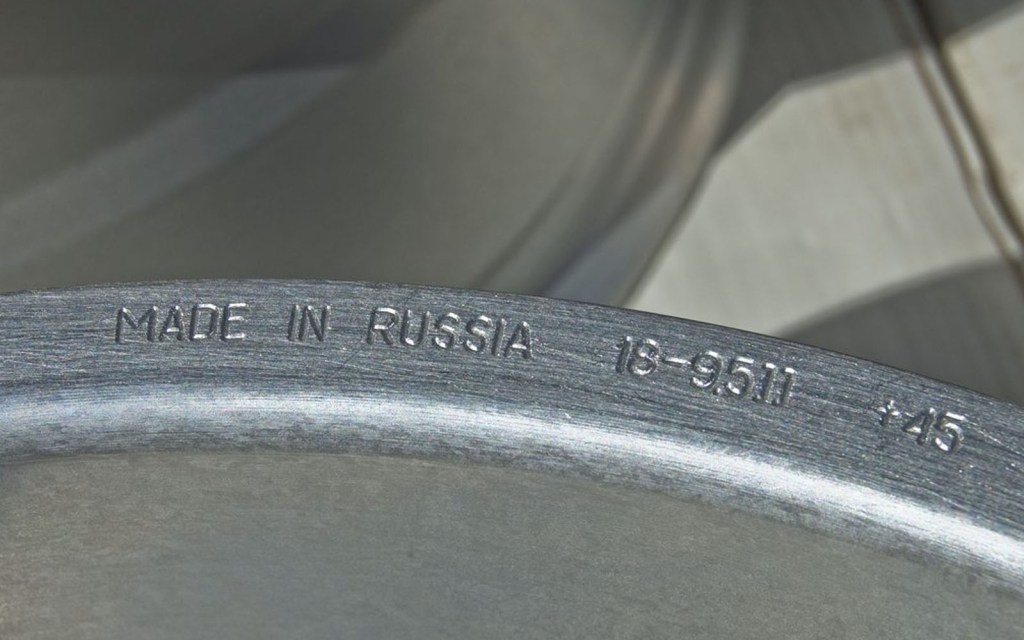
But the strange part? They were all manufactured in Russian forging factories, claimed by Desmond to be some of the best in the world. Some rumours state production took place in former tank factories, though this has never been officially confirmed.
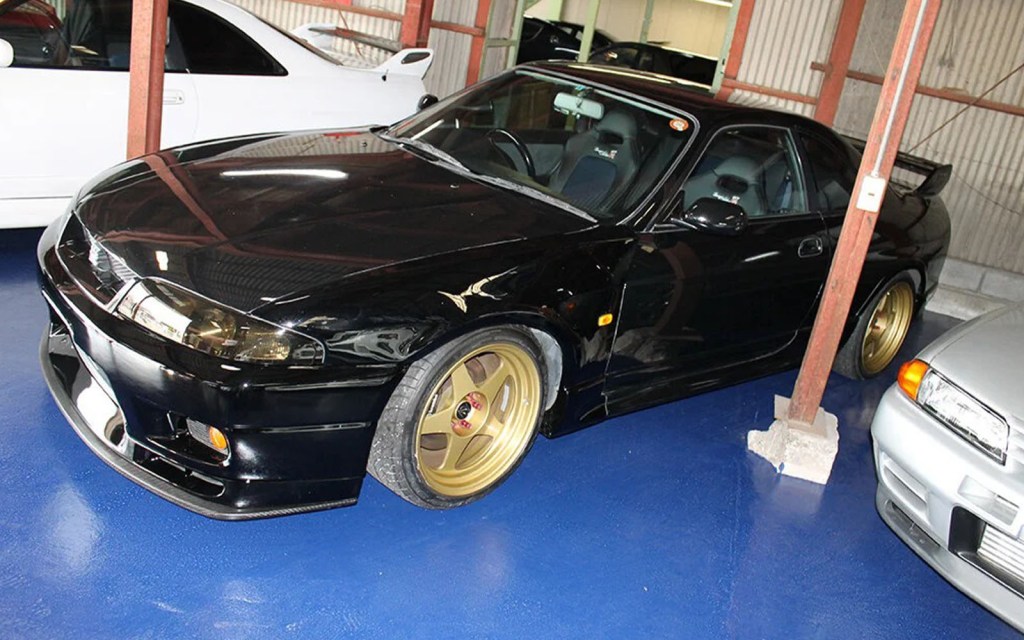
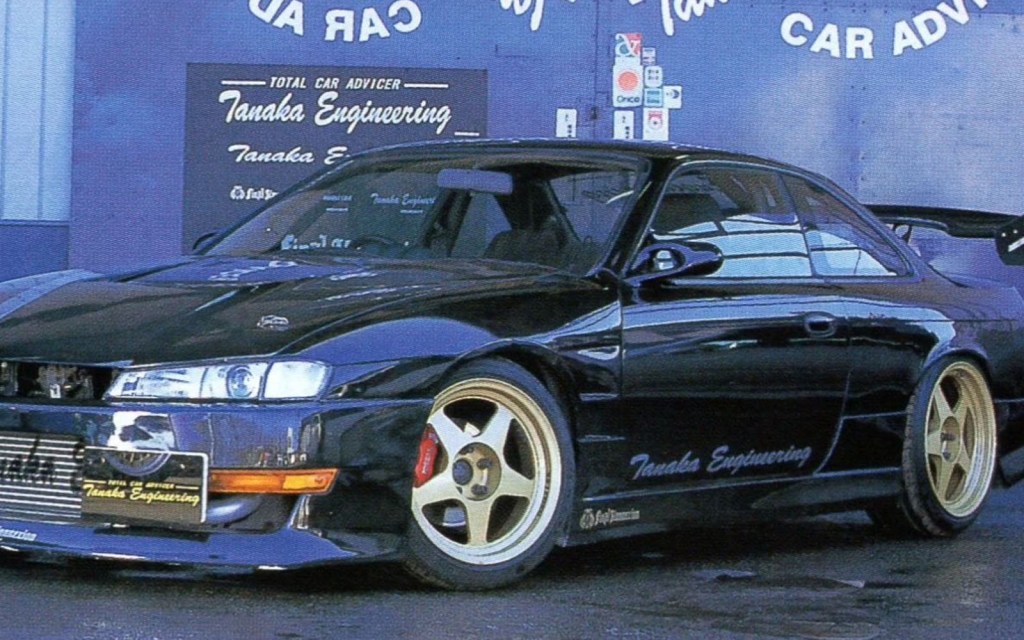
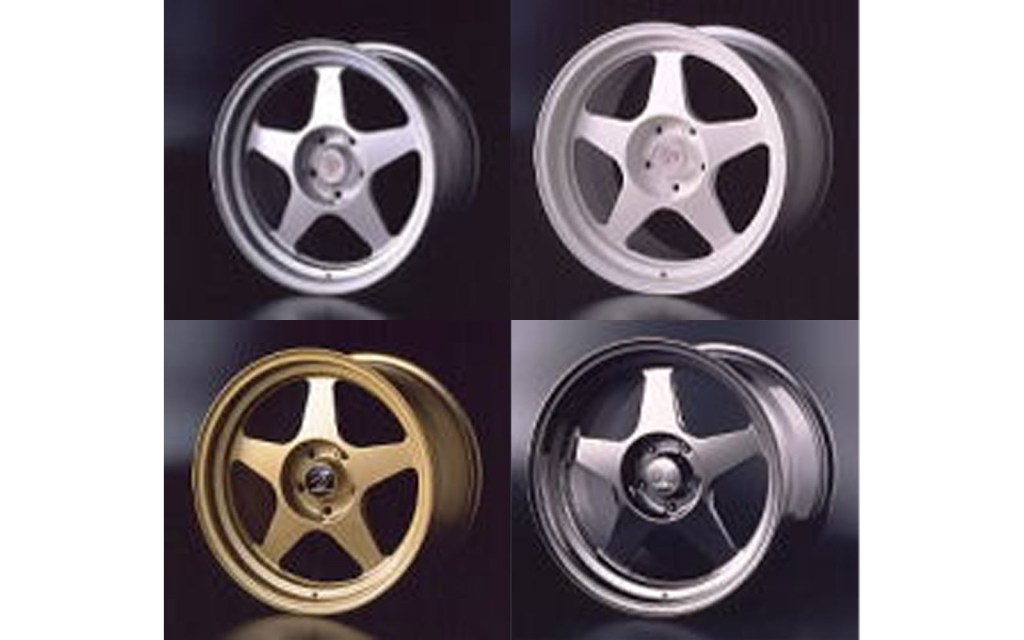
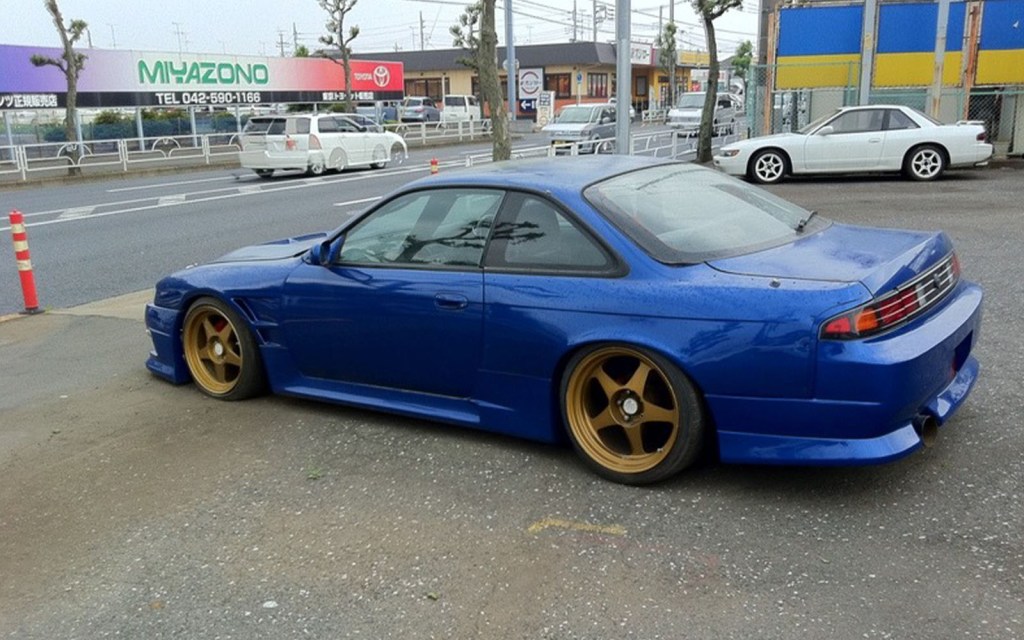
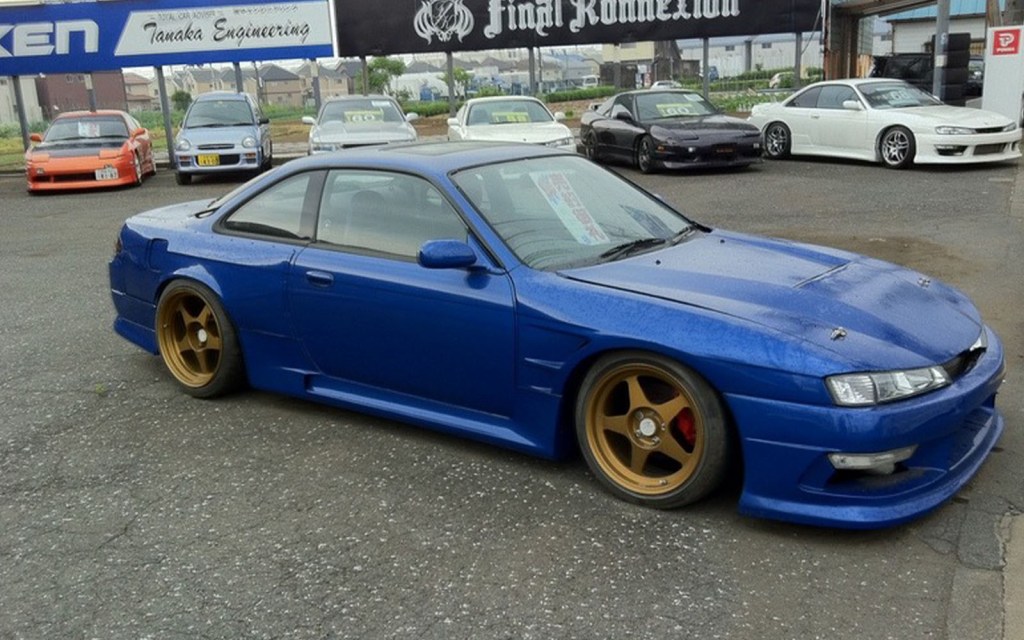
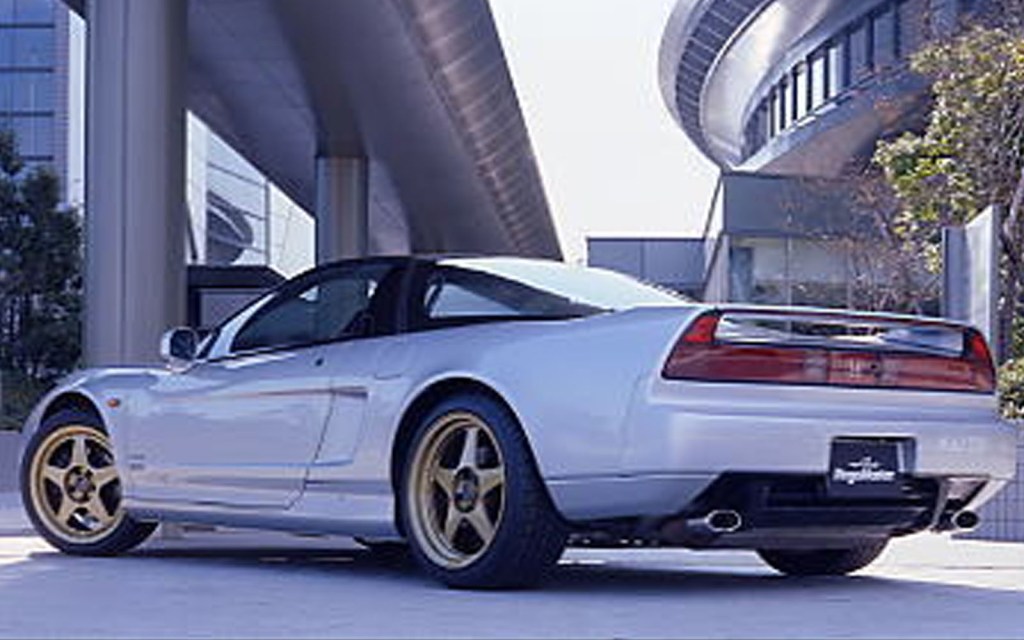
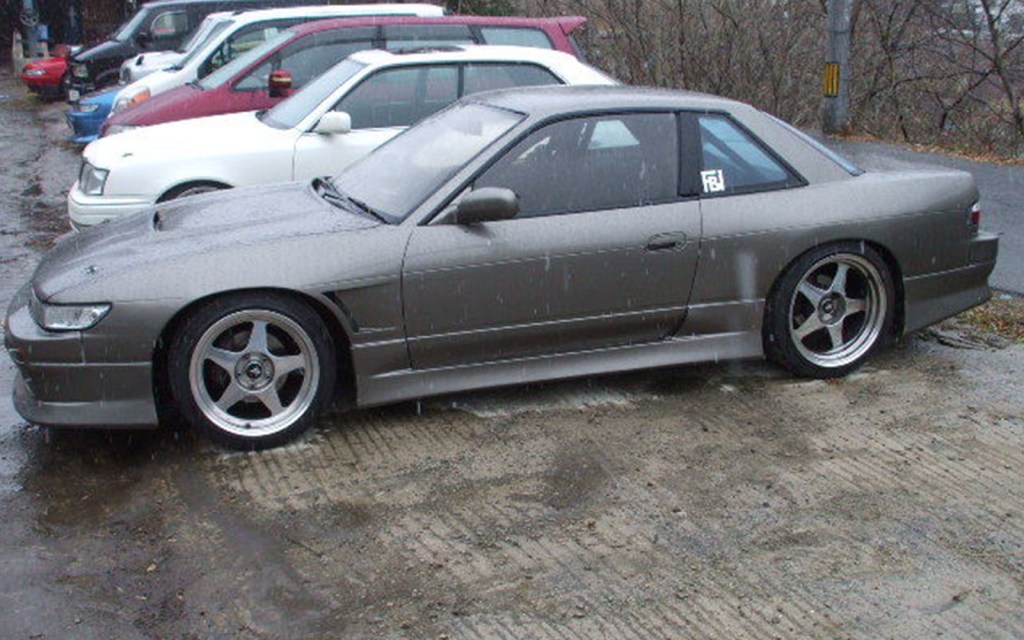
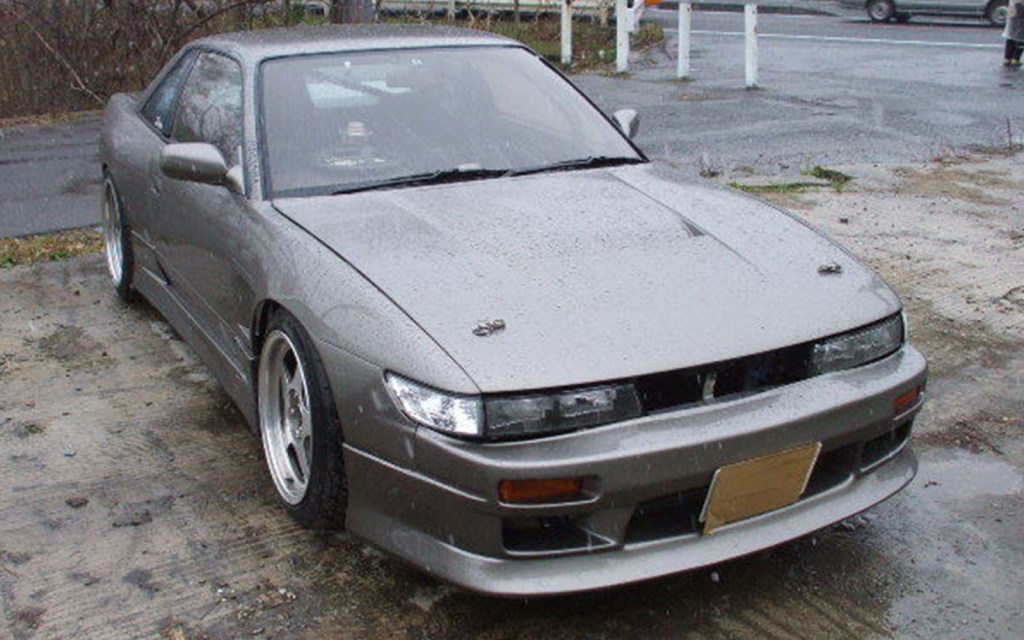
There were two main variants of the Regamaster released to the public. The first was the Marquis Promada, the street version, which featured a raised front section between the studs allowing a centre cap to be fitted. It was available in Silver, Pearl White, Gold, Gun Metallic, and Bright, which was a chrome finish.
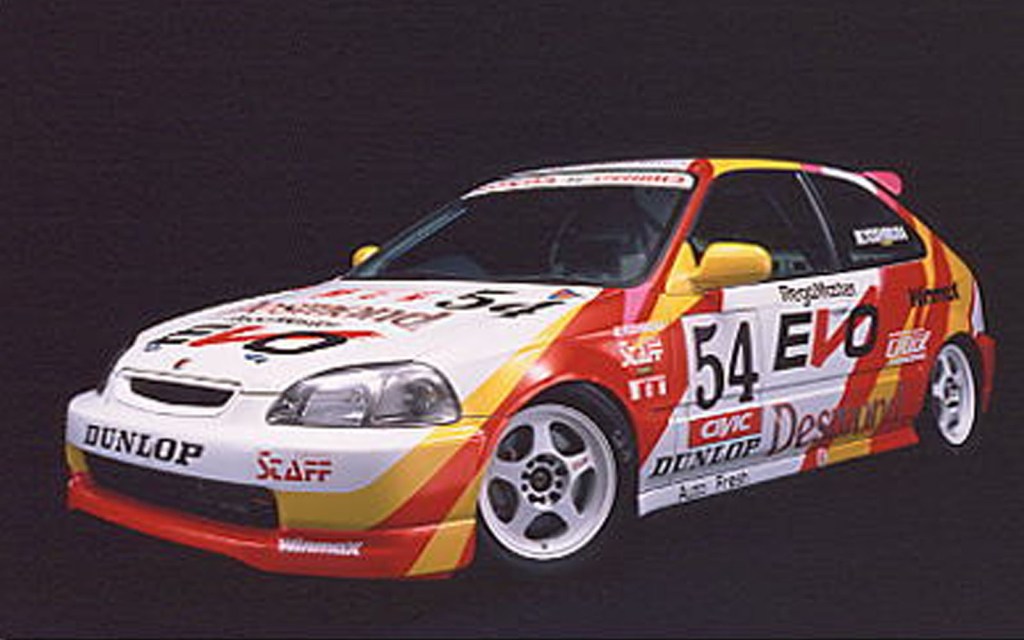
The second was the EVO, the racing variant, featuring a flat face between the studs for further weight savings. This version came in Silver, Almighty Gray, and White.
There also exists a little brother to the Regamaster sharing the same DNA, Spoon’s legendary Spoon Sports SW388, which was based on the Regamaster design and also produced by Desmond.
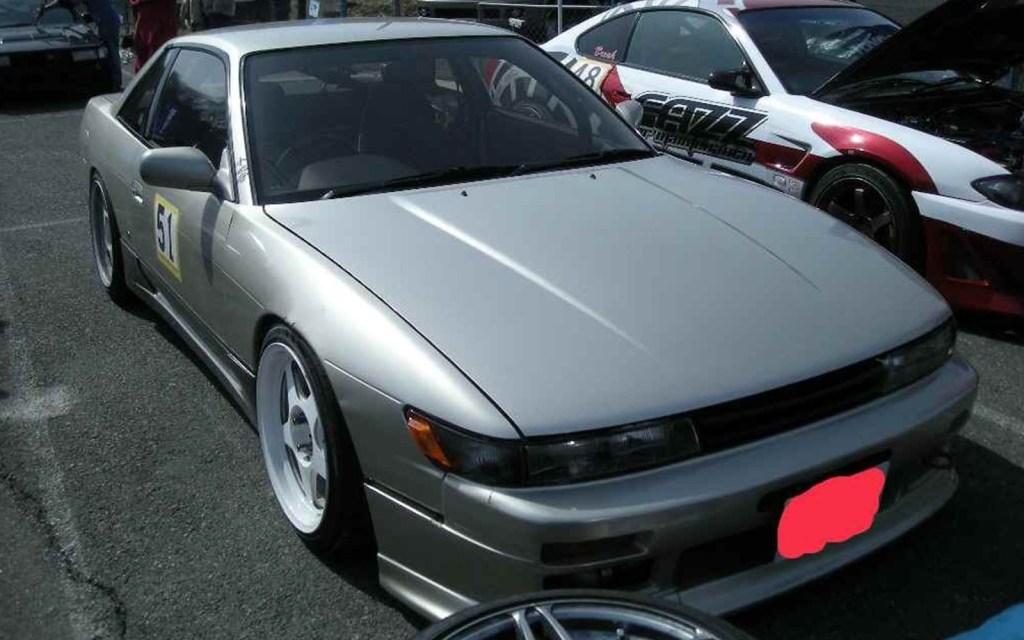
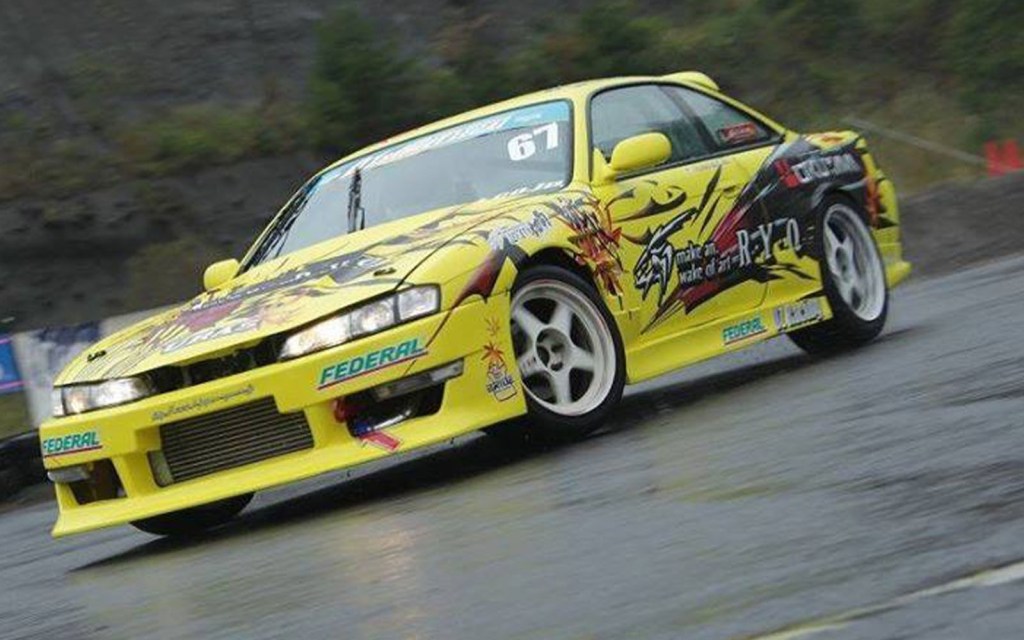
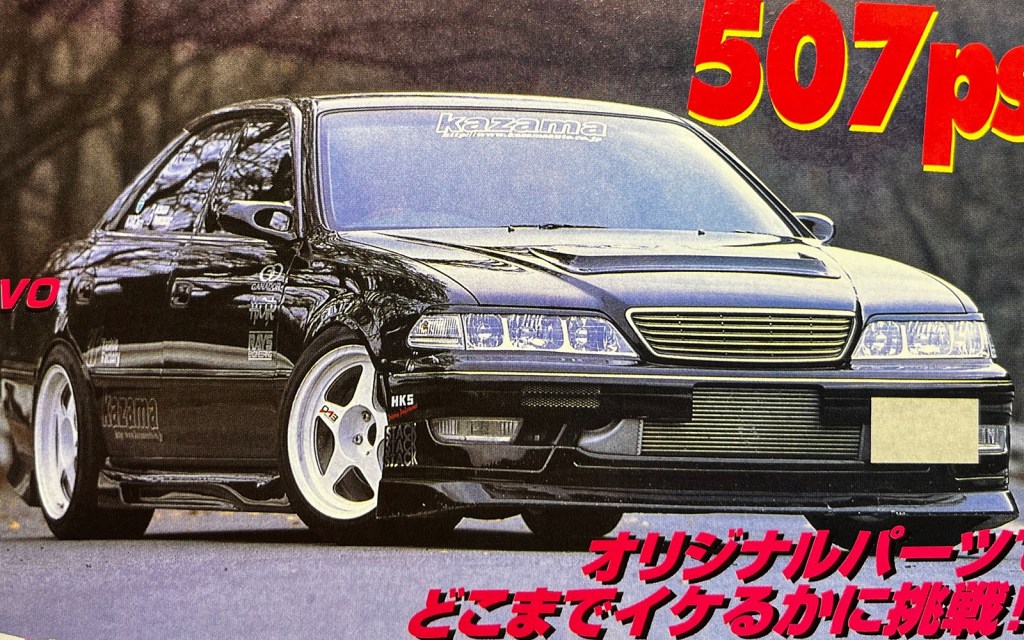
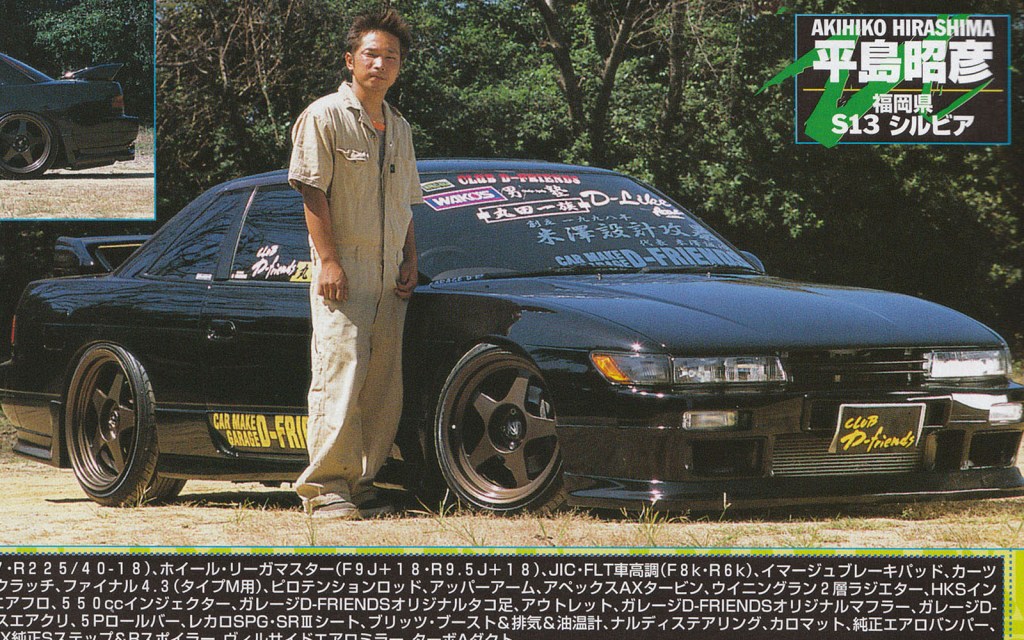
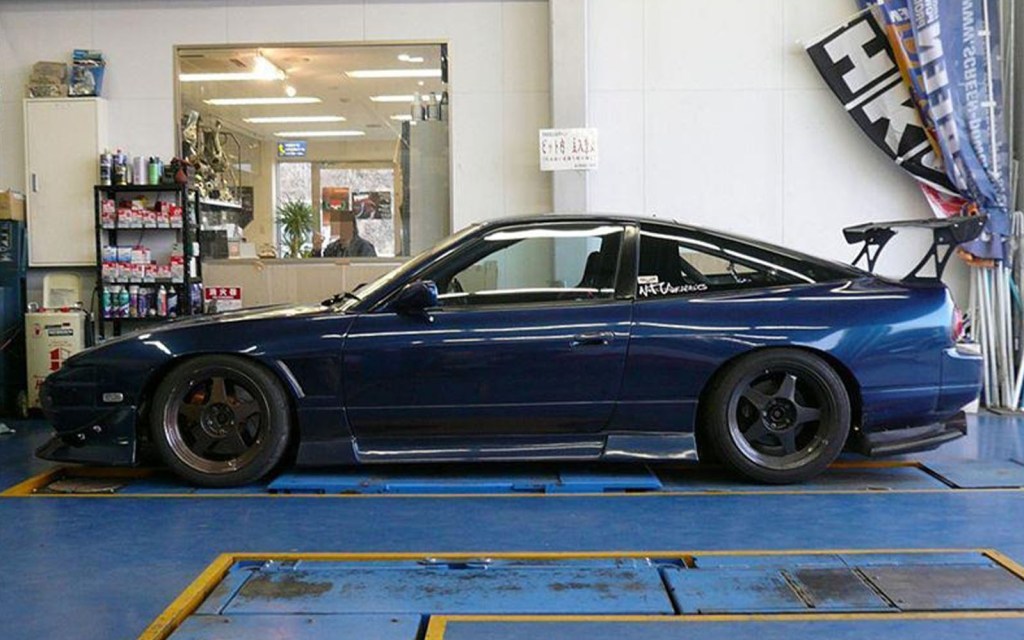
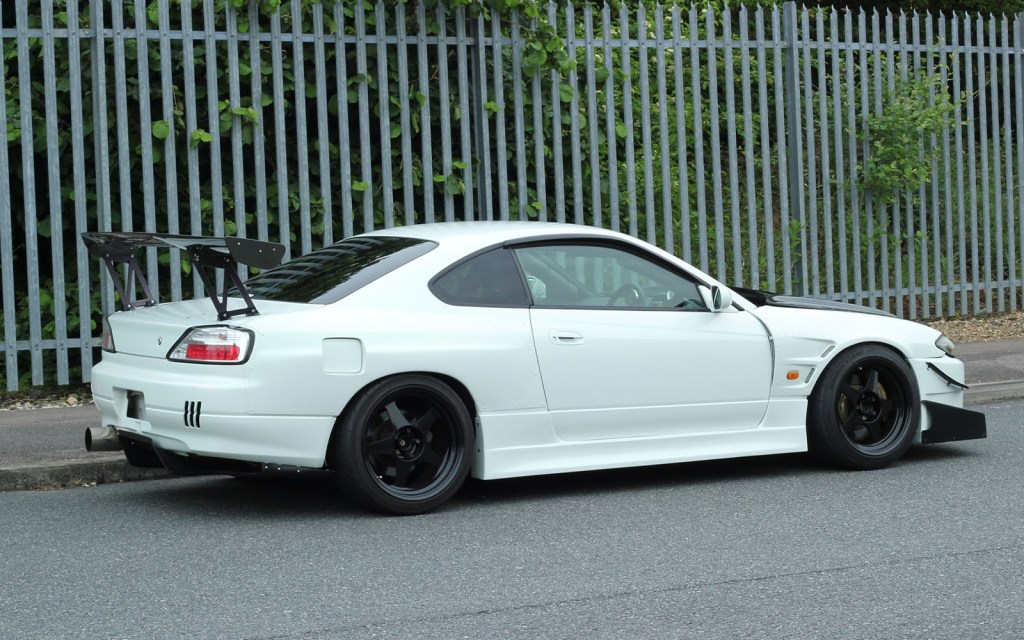
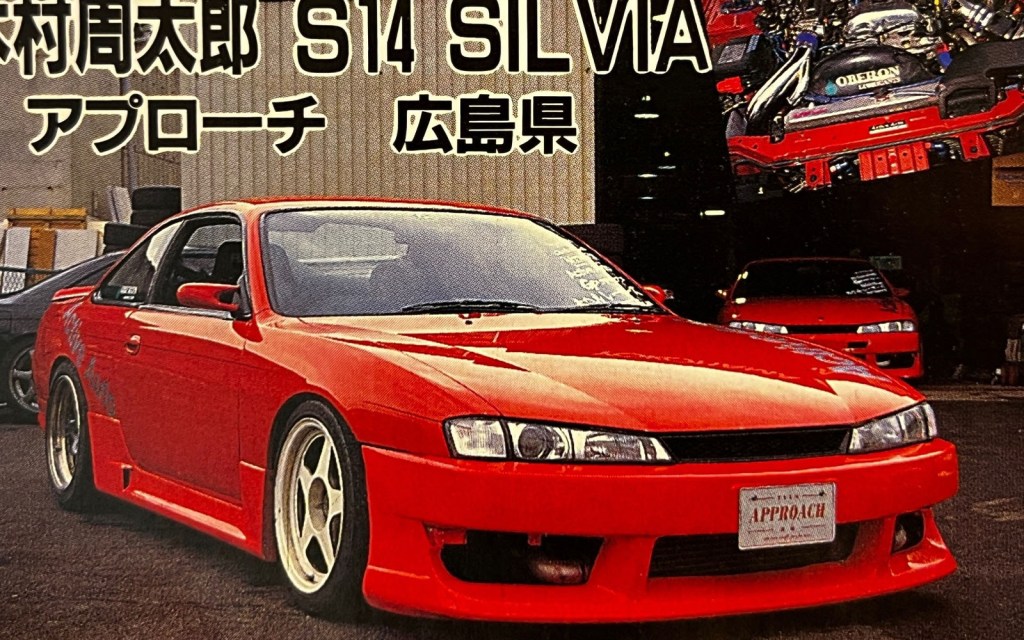
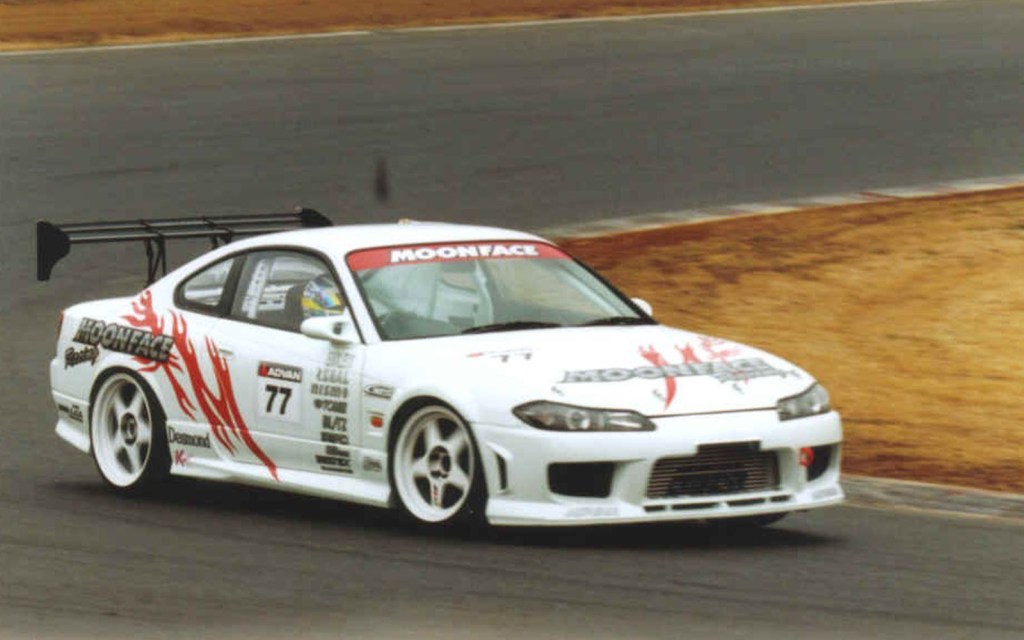
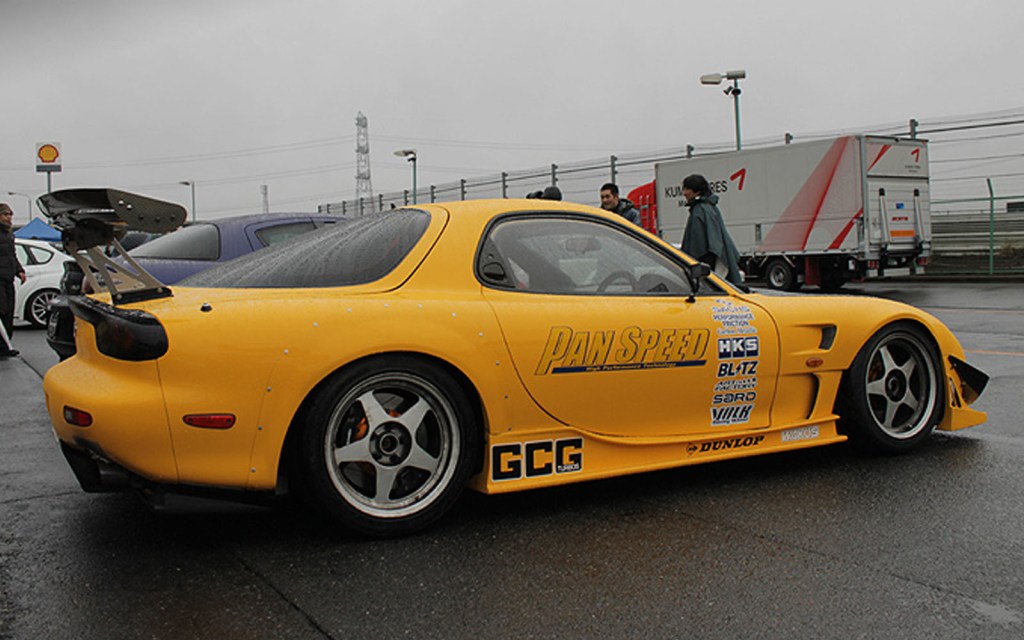
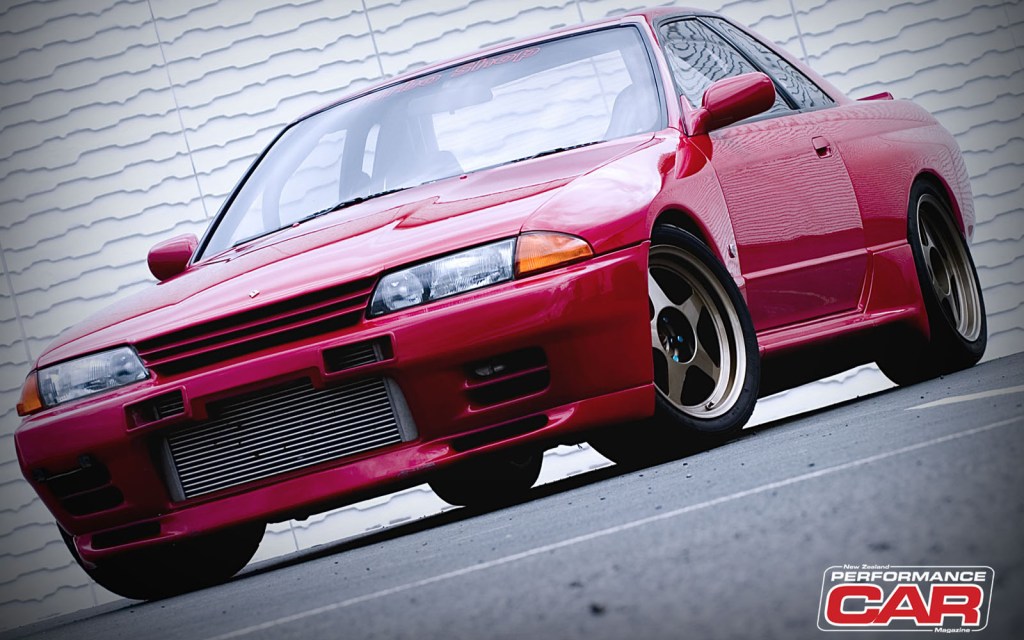
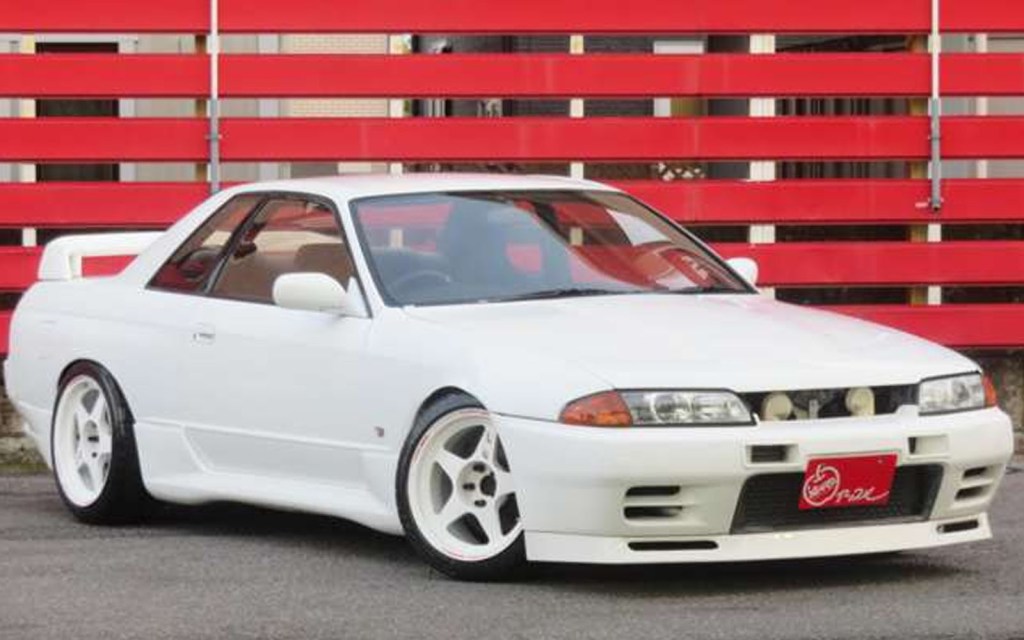
Desmond had always been deeply rooted in motorsport, with the Regamaster featured on many top-tier race cars including the RE Amemiya RX-7 JGTC car in the late 1990s, the Altia R34 GT-R, and the Suzuki Escudo Pikes Peak driven by Nobuhiro Tajima, later made famous worldwide through Gran Turismo. The wheel was also hugely popular among enthusiasts, from grassroots street drifters all the way to competition drag cars.
There is not much public knowledge surrounding what happened to Desmond, but it is believed the company ceased business sometime in the 2000s and disappeared from the spotlight. Then in the late 2010s, the Regamaster name saw a revival with the release of the EVO II, still designed by the original creator Yamamoto. The new wheel retained the same DNA as the original, though this time it was manufactured in Japan by one of the country’s top forging facilities.
With current Regamasters now readily available again, demand for original Russian-made sets continues to rise. A truly unique story, and an undeniable milestone in Japanese tuning history.




 Garage Sokudo
Leave a comment